Picture this: it’s 6 PM, you’re juggling work emails and kids’ homework, and dinner feels like another chore. One-pot clean eating dinners change that game. These meals use whole foods like lean proteins, colorful veggies, and whole grains for nutrient-dense plates that cook together, minimizing cleanup and maximizing family time.
Clean eating here means focusing on unprocessed ingredients—think fresh produce, herbs, and quality proteins without added sugars or artificial stuff. Fiber-rich combos from veggies and grains can help steady blood sugar, keeping energy even through late evenings. Pick 2-3 recipes this week, track how you feel afterward, and notice the difference in your mood and fullness.
Professionals and families love these because they fit tight schedules. A single pot means less stress, more bonding over the table. Ready to simplify? Let’s dive into why this approach works and how to make it yours.
Why One-Pot Clean Eating Fits Real Life
One-pot cooking retains more nutrients through gentle simmering, compared to methods that boil away vitamins. Veggies release flavors into proteins and grains, creating balanced meals in one go. This setup often boosts veggie intake since everything cooks together seamlessly.
Stress drops when dishes pile up less—studies on kitchen tasks link clutter to cortisol spikes, so fewer pots help calm the evening rush. Balanced plates with protein, fiber, and healthy fats tend to support steady energy levels through the night. Families report better sleep when dinners are lighter yet satisfying.
For working pros, this means reclaiming time: 30-45 minutes total, from prep to plate. It aligns with circadian rhythms by avoiding heavy, late digestion. Experiment with these, noting your energy the next day, to see what clicks for your routine.
Pantry Staples for Effortless Wins
Stock these basics for quick assembly—no last-minute store runs. They form the base for all 13 recipes, saving time on busy nights.
- Olive oil or avocado oil: For sautéing without inflammatory seed oils.
- Fresh garlic and onions: Flavor boosters that may aid digestion.
- Quinoa or brown rice: Whole grains for sustained energy via complex carbs.
- Low-sodium bone broth or veggie broth: Adds depth and collagen for gut support.
- Fresh herbs like thyme, rosemary, or cilantro: Antioxidants without salt overload.
- Canned tomatoes (no sugar added): Umami base for stews.
- Frozen mixed veggies: Time-saver when fresh runs low.
- Lemons or limes: Brightens flavors, vitamin C pairs with iron-rich foods.
Prep tip: Chop onions and garlic Sunday for the week. These staples extend to lunches too, like in 5 Tips for Clean Eating When Eating Out, keeping your whole day nourished.
| Recipe Name | Total Time | Serves | Main Protein | Veggie Focus | Notes |
|---|---|---|---|---|---|
| Lemon Herb Chicken Quinoa | 30 min | 4 | Chicken | Kale, carrots | Family-friendly |
| Turkey Veggie Chili | 35 min | 6 | Turkey | Bell peppers, zucchini | Freezer staple |
| Chicken Sweet Potato Stew | 40 min | 4 | Chicken | Sweet potatoes, spinach | Kid-approved |
| Turkey Quinoa Skillet | 25 min | 4 | Turkey | Broccoli, tomatoes | Quick weeknight |
| Salmon Quinoa Greens | 30 min | 4 | Salmon | Kale, asparagus | Omega-3 boost |
| Shrimp Veggie Simmer | 20 min | 4 | Shrimp | Snap peas, carrots | Light summer |
| Lentil Veggie Stew | 35 min | 6 | Lentils | Carrots, celery, kale | Vegan |
| Chickpea Curry Quinoa | 30 min | 4 | Chickpeas | Spinach, cauliflower | Gluten-free |
| Quinoa Black Bean Bowl | 25 min | 4 | Black beans | Corn, peppers | Budget-friendly |
| White Bean Veggie Medley | 30 min | 4 | White beans | Zucchini, tomatoes | Meatless Monday |
| Beef Broccoli Quinoa | 35 min | 4 | Beef | Broccoli, onions | Iron-rich |
| Lamb Veggie Tagine | 45 min | 6 | Lamb | Eggplant, carrots | Flavorful slow-simmer |
| Beef Lentil Chili | 40 min | 6 | Beef & lentils | Tomatoes, peppers | Hybrid protein |
Poultry Power: Chicken and Turkey Favorites
Poultry shines in one-pots for lean protein that absorbs veggie flavors. These four keep things light yet filling, ideal for post-work dinners.
Lemon Herb Chicken Quinoa
Ingredients: 1 lb chicken breast (cubed), 1 cup quinoa, 4 cups bone broth, 2 cups kale, 2 carrots (sliced), juice of 1 lemon, garlic, thyme, olive oil.
- Sauté chicken, garlic in oil 5 min.
- Add quinoa, broth, carrots; simmer 15 min.
- Stir in kale, lemon; cook 5 min more.
Variation: Swap kale for spinach. Lean chicken plus quinoa fiber can help with satiety, curbing late snacks.
Turkey Veggie Chili
Ingredients: 1 lb ground turkey, 1 onion, 2 bell peppers, 2 zucchini, 28 oz tomatoes, 2 tsp chili powder, cumin, broth.
- Brown turkey with onion 5 min.
- Add veggies, spices, tomatoes, broth; simmer 25 min.
- Adjust heat to taste.
Variation: Add corn for kids. Turkey’s B vitamins may support energy metabolism.
Next up, Chicken Sweet Potato Stew: Use sweet potatoes for natural sweetness, spinach wilts in easily. Turkey Quinoa Skillet finishes fast with broccoli florets. These poultry picks often fit family prefs, building veggie habits gently.
Track digestion after—poultry tends to be easy on the gut.
Seafood Simmers for Light, Flavorful Nights
Seafood adds omega-3s, which may support heart health and reduce inflammation. Frozen options work great, thawing in the pot.
Salmon Quinoa Greens
Ingredients: 1 lb salmon (cubed), 1 cup quinoa, 4 cups broth, 3 cups kale, asparagus spears, lemon, dill, oil.
- Sauté veggies 3 min.
- Add quinoa, broth; simmer 15 min.
- Top with salmon, cover 8 min.
Variation: Use tilapia. Omega-3s pair with greens for brain-friendly fuel.
Shrimp Veggie Simmer
Ingredients: 1 lb shrimp, snap peas, carrots, garlic, ginger, broth, tamari (low-sodium).
- Sauté aromatics, veggies 5 min.
- Add broth, shrimp; simmer 10 min.
Quick and light—perfect midweek. These keep evenings breezy while nourishing.
Plant-Powered Bowls: Meatless Masterpieces
Plants offer diverse fibers that tend to aid digestion and gut health. These four are vegan-friendly with kid tweaks.
Lentil Veggie Stew
Ingredients: 1 cup lentils, carrots, celery, kale, onion, tomatoes, broth, herbs.
- Sauté veggies 5 min.
- Add lentils, broth; simmer 25 min.
- Stir in kale last.
Variation: Puree for soups. Lentils provide plant iron.
Chickpea Curry Quinoa blends cauliflower beautifully. Quinoa Black Bean Bowl uses corn for fun pops. White Bean Veggie Medley rounds with zucchini. For dessert inspo after these, see 8 Clean Eating Desserts Without Refined Sugar.
These bowls often increase fiber intake, supporting steady moods. Families can mash for little ones.
Hearty Reds: Beef, Lamb, and Bonus
Red meats bring iron and zinc, enhanced by vitamin C veggies. These three (plus hybrid) satisfy without heaviness.
Beef Broccoli Quinoa
Ingredients: 1 lb lean beef strips, broccoli, quinoa, garlic, ginger, broth, tamari.
- Brown beef 4 min.
- Add broccoli, quinoa, liquids; simmer 25 min.
Variation: Sirloin for tenderness. Iron absorption boosts with veggies.
Lamb Veggie Tagine
Ingredients: 1 lb lamb cubes, eggplant, carrots, onion, cumin, cinnamon, broth, tomatoes.
- Sauté lamb, spices 5 min.
- Add veggies, liquids; simmer 35 min.
Exotic yet simple. Lamb’s fats aid nutrient uptake.
Beef Lentil Chili mixes for extra protein. These hearty options fuel active days, pairing well with midday ideas from 11 Veggie-Packed Clean Eating Lunch Recipes.
Smart Swaps, Storage, and Safety Notes
Customize freely: Swap chicken for tofu, quinoa for rice, kale for whatever’s fresh. For lower carbs, up veggies. These tweaks keep meals versatile for all ages.
- Spice level: Mild for kids, add heat later.
- Gluten-free: Quinoa base covers it.
- Boost flavor: Fresh herbs post-cook.
- Batch big: Doubles easily.
Storage: Fridge 3-4 days, freezer 2-3 months in portions. Reheat to 165°F. Safety note: Check seafood freshness, cook meats fully; allergies? Sub accordingly. Consult doc for low-sodium or specific diets.
Track simple signals—energy, mood, sleep—after a week. Experiment to find favorites. These habits build lasting wellness.
FAQ
What’s considered ‘clean eating’ in these recipes?
These focus on whole foods like fresh veggies, whole grains, and lean or plant proteins, skipping processed items, added sugars, and refined oils. Minimal ingredients keep it simple and nutrient-forward. Adapt portions or swaps to your family’s needs and preferences.
Can beginners handle one-pot cooking?
Absolutely—steps are straightforward with 3-4 actions max. Start in the Poultry section for familiar flavors and shorter times. Watch simmer points to avoid overcooking; practice builds confidence fast.
Are these freezer-friendly?
Most hold up well for 2-3 months; portion into bags flat for quick thaw. Reheat gently on stove with a splash of broth to restore texture. Test a small batch first to check your favorites.
How do I adjust for kids or calorie needs?
Swap bolder veggies for milder ones like carrots; portion proteins smaller for calories. Add cheese shreds if dairy fits, or mash textures smooth. Customizable nature lets everyone thrive with minor tweaks.
Any equipment beyond a pot?
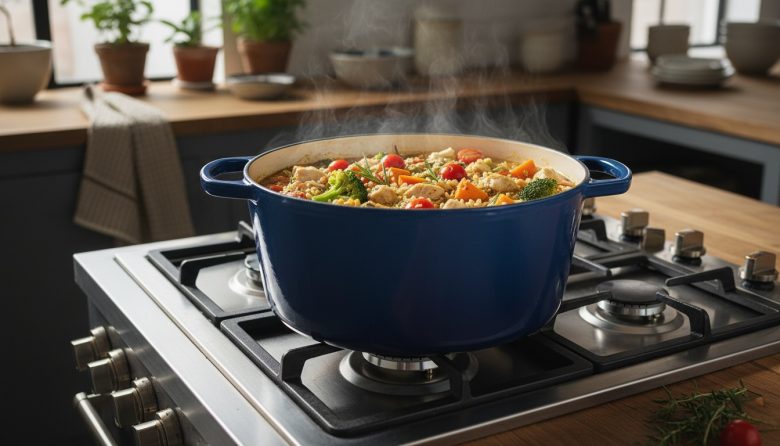
A large skillet, Dutch oven, or deep sauté pan works best for stirring space. Lid essential for even cooking. Stir occasionally to prevent sticking—no fancy gear needed.