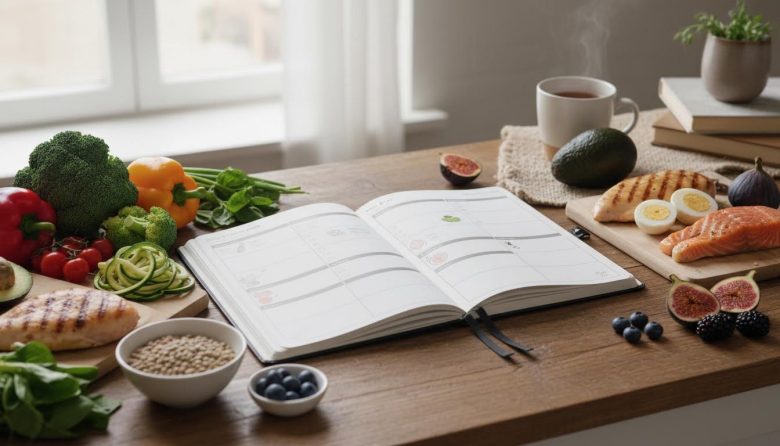
Picture this: Sarah, a marketing manager juggling deadlines and school pickups, felt drained by 3 p.m. every day. Swapping sugary cereals for oats with berries and nuts gave her steady energy through meetings. Clean eating focuses on minimally processed whole foods like fresh vegetables, lean proteins, and whole grains. These choices support stable blood sugar levels and provide dense nutrients for daily demands.
Building a weekly clean eating meal plan doesn’t require gourmet skills or endless hours. It’s about simple swaps and patterns that fit busy family life. This guide walks you through flexible steps for a 7-day template, complete with hacks and tracking tips. Start experimenting today—note your mood and energy shifts to see what clicks for you.
Whole foods often reduce spikes in blood sugar, helping you avoid the afternoon crash many professionals face. Fiber from veggies and grains slows digestion, keeping you fueled longer. Lean proteins like eggs or fish add satiety without heavy processing.
Grasp the Core Principles of Clean Eating for Everyday Wins
Whole foods tend to lower inflammation markers over time by providing antioxidants and steady nutrients. This can help with sustained energy, especially for those with irregular schedules. Fiber binds to excess sugars, promoting even release into the bloodstream.
Why it helps: Clean eating emphasizes nutrient-dense options that support the body’s natural stress response. Veggies and whole grains deliver vitamins without additives that may disrupt gut health. This approach often leads to better focus during work hours.
What to try:
- Prioritize colorful produce like spinach, bell peppers, and berries for a range of antioxidants.
- Choose lean proteins such as chicken, tofu, or lentils to build meals around satiety.
- Incorporate whole grains like quinoa or brown rice for lasting fiber without refined carbs.
These basics set a strong foundation. Next, tailor them to your life for real results.
Assess Your Household’s Needs and Set Realistic Goals
Calorie needs may vary by age, activity, and metabolism—women often aim for 1,800-2,200 daily, men 2,200-2,800, adjusting for families. Active kids might need more carbs from fruits. Start with a quick household audit to match portions.
What to try: Use this checklist:
- List family members’ ages, activity levels (sedentary, moderate, high).
- Note preferences or restrictions (e.g., vegetarian, gluten-free).
- Estimate weekly meals: 3 per day x 7 = 21, plus snacks.
- Track a day’s intake via app for baseline calories.
Safety / when to be cautious: Consult a doctor before major changes, especially with medical conditions like diabetes or pregnancy. This ensures goals align with health needs.
With needs clear, stocking essentials becomes straightforward. This prep saves time later.
Stock a Clean Pantry with Versatile Staples
Build a pantry that supports quick assemblies. Focus on items with long shelf life and multiple uses. Budget tweaks, like buying in bulk, keep costs down—think of it in the context of a Beginner’s Guide to Budget Clean Eating.
- Oats and quinoa for breakfasts and sides.
- Canned beans (black, chickpeas) for protein boosts.
- Nuts and seeds (almonds, chia) for snacks.
- Olive oil, vinegar, and herbs (basil, oregano) for dressings.
- Frozen berries and spinach for smoothies.
- Sweet potatoes and onions as veggie bases.
- Canned tuna or salmon for omega-3s.
- Spices: cumin, paprika, garlic powder.
- Nut butters (natural, no sugar).
- Lentils and brown rice for bulk cooking.
- Coconut aminos or tamari for savory flavor.
- Avocados (when in season) for healthy fats.
For seasons, swap fresh tomatoes for canned in winter. Budget hack: A weekly shopping list template lists 20 items, grouped by store aisle, cutting trips to 45 minutes.
Pantry set? Now map meals with smart swaps. This table highlights easy transitions.
Craft a Balanced 7-Day Template with Meal Mapping
Meal mapping uses patterns for variety without daily decisions. Theme days like Meatless Monday add fun. Here’s a table of foundational swaps to build from.
| Everyday Processed Item | Clean Whole-Food Swap | Key Nutritional Boost |
|---|---|---|
| White bread | Whole grain or sourdough | More fiber for steady blood sugar |
| Sugary cereal | Oats with fruit and nuts | Added antioxidants, fewer additives |
| Chips | Baked veggie slices or popcorn | Lower sodium, higher potassium |
| Store-bought dressing | Homemade olive oil and lemon | No preservatives, healthy fats |
| Processed deli meat | Grilled chicken or turkey slices | Less sodium, more protein quality |
| Soda | Infused water with cucumber | Hydration without empty calories |
| Frozen pizza | Flatbread with veggies and cheese | Increased veggies for micronutrients |
Sample 7-day outline:
- Monday (Meatless): Breakfast: Smoothie (spinach, banana, yogurt). Lunch: Lentil soup. Dinner: Stir-fried tofu with broccoli.
- Tuesday: Breakfast: Eggs and avocado toast. Lunch: Quinoa salad. Dinner: Baked salmon, sweet potato.
- Wednesday: Breakfast: Overnight oats. Lunch: Turkey wrap (whole grain). Dinner: Chicken stir-fry.
- Thursday: Breakfast: Chia pudding. Lunch: Bean salad. Dinner: Veggie-packed chili.
- Friday: Breakfast: Yogurt parfait. Lunch: Tuna salad. Dinner: Grilled fish tacos (corn tortillas).
- Saturday: Breakfast: Veggie omelet. Lunch: Leftover chili. Dinner: Sheet-pan chicken and veggies.
- Sunday: Breakfast: Pancakes (oat flour). Lunch: Hummus plate. Dinner: Roast beef with greens.
Snacks: Apple with nuts, carrot sticks. Rotate for freshness. Link these to practical dinners in 10 Simple Clean Eating Meals for Weeknight Dinners.
Master Batch Prep Hacks to Save Hours Mid-Week
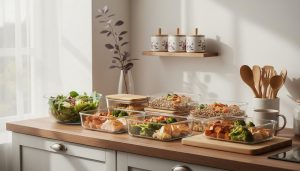
Batch prep aligns with circadian rhythms by front-loading work. Roast veggies Sunday for grab-and-go. This cuts weekday cooking to 20 minutes.
Techniques:
- Sheet-pan roasting: Veggies + protein at 400°F for 25 minutes.
- Grain cooking: Quinoa in bulk (1 cup dry = 4 servings, 15 minutes).
- Chopping stations: Dice onions, peppers ahead.
- Mason jar salads: Layer dressings at bottom.
- Protein boils: Eggs or chicken for the week.
Recipe variations:
- Quinoa salad base: Add feta, cucumbers, or cherries.
- Roasted veggie mix: Swap broccoli for zucchini; season with herbs.
- Chickpea mash: Blend with tahini for hummus dip, or spice for patties.
What to try: Time it—Sunday 90 minutes preps 5 lunches. Pros save 5+ hours weekly.
Family tweaks make it stick. Adapt for all.
Tailor the Plan for Families, Allergies, or Preferences
Variety aids long-term adherence, per habit studies. For kids, hide veggies in sauces. Picky eaters: Offer choices within swaps.
Swaps: Nuts → seeds for allergies; dairy → coconut yogurt. Involve kids in picking produce. Use 12 Homemade Clean Eating Salad Dressings to make greens appealing.
Safety / when to be cautious: Check labels for cross-contamination with nuts or soy. Introduce new foods gradually to spot reactions.
Customization done, now sustain it with tracking.
Track, Tweak, and Sustain Your Clean Eating Rhythm
Log energy (1-10 scale) and hunger post-meals. Weekly reviews spot wins, like better sleep from earlier dinners. This builds habits tied to natural eating windows.
Why it helps: Consistent tracking reinforces circadian-aligned meals, often improving mood stability. Adjust based on signals like afternoon slumps.
Set a Sunday ritual: Review logs, swap low-performers. Experiment one change weekly—track for two weeks. This keeps the plan fresh and effective.
FAQ
What’s the difference between clean eating and restrictive dieting?
Clean eating emphasizes nutrient-dense whole foods without banning entire groups like carbs or fats. It allows flexibility based on personal needs, such as more grains for active days. This approach supports sustainable energy rather than short-term cuts.
How much time does weekly planning really take?
Start with 1-2 hours for initial setup, including shopping lists and batch prep. Batching cuts daily cooking to 20-30 minutes per meal—track your routine to refine. Busy families often find it frees up evenings.
Can I do clean eating on a tight budget?
Yes, prioritize seasonal produce, bulk grains like rice, and frozen veggies which hold nutrients well. Swaps like beans for meat frequently save 20-30% on groceries. Focus on staples for maximum value.
What if my family resists new foods?
Introduce one swap per meal, like berries in yogurt, and involve them in grocery choices. Gradual exposure tends to build acceptance over 2-4 weeks. Pair with favorites to ease transitions.
Is clean eating safe for everyone?
Generally supportive for energy and overall health through nutrient focus. However, check with a doctor if pregnant, highly athletic, or managing conditions like diabetes. Individual needs vary, so personalize accordingly.