As a working parent juggling meetings and soccer practice, it’s easy to let veggies slide off the plate. Clean eating thrives on whole foods like vegetables, which deliver fiber and nutrients that help stabilize blood sugar for steady energy throughout the day. This keeps you focused without the crashes from processed snacks. In this guide, you’ll find straightforward tips and time-saving hacks to sneak more veggies into breakfast, lunch, dinner, and snacks—perfect for busy schedules.
Start small by trying one swap this week. Track your energy or mood afterward to see what clicks for you. These ideas fit right into a beginner’s guide to budget clean eating, making nutrient boosts affordable and simple.
Why Loading Meals with Veggies Aligns with Clean Eating
Vegetables add bulk and fiber to meals, which can help crowd out less nutrient-dense options naturally. Their low-glycemic load tends to support even blood sugar levels, promoting sustained energy rather than spikes and dips.
Prebiotic fibers in veggies like onions and garlic may nourish gut bacteria, aiding digestion over time. This aligns with clean eating’s focus on whole, unprocessed foods that support overall wellness.
- Volume without calories: Veggies fill you up, often reducing the need for extra carbs or fats.
- Micronutrient density: They provide vitamins and minerals that can bolster immunity and recovery from daily stress.
- Hydration boost: High water content in produce like cucumbers helps maintain hydration alongside meals.
These mechanisms work gradually, so consistency pays off. Pairing veggies with proteins and healthy fats rounds out balanced plates.
Upgrade Breakfasts with Blended Veggie Power
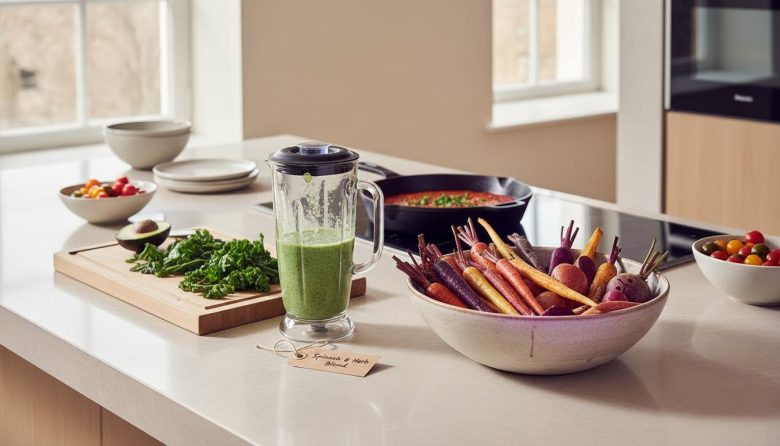
Mornings rush by, but blending veggies into breakfast adds nutrition without extra chewing time. Spinach or kale wilts into smoothies seamlessly, delivering iron and antioxidants in under two minutes.
Try grating zucchini into muffin batter for a moist texture—bake a batch Sunday night for grab-and-go fuel. This hack keeps blood sugar steady through mid-morning meetings.
- Green smoothie base: Blend 1 cup spinach, banana, protein powder, and almond milk. Adds 2 veggie servings; prep in 90 seconds. Boosts folate for focus.
- Zucchini muffins: Shred 1 cup zucchini into your clean eating muffin mix (oats, eggs, nuts). Yields 12; freeze extras. Provides hydration and vitamin A.
- Veggie frittata cups: Whisk eggs with diced bell peppers and onions; bake in muffin tins. 15-minute total time; protein + veggie combo for satiety.
- Carrot oat bowls: Stir grated carrots into overnight oats with chia seeds. No cooking needed; fiber aids digestion gently.
These upgrades fit families too—kids often sip smoothies without noticing greens. Experiment to match your taste.
Packable Lunch Swaps That Sneak in Greens
Lunch prep saves sanity for professionals and parents alike. Use mason jars for layered salads that stay crisp, stacking dressing at the bottom with roasted veggies on top.
Spiralized zucchini replaces noodles in cold pasta salads, cutting carbs while upping volume. This keeps you energized past 3 p.m. slumps.
- Lettuce wrap tacos: Swap tortillas for large romaine leaves filled with turkey and shredded carrots. Packs in 5 minutes; portable and low-cal.
- Zucchini noodle bowls: Spiralize zucchini, toss with cherry tomatoes and chickpeas. Dress with olive oil; assemble night before. High in potassium for hydration.
- Broccoli slaw jars: Mix pre-shredded broccoli stems, apples, and nuts. Add protein like quinoa; shakes up easily. Supports gut health via fiber.
- Cucumber boats: Hollow cukes, stuff with tuna salad and diced celery. Kid-friendly; under 5 minutes prep.
These packable options draw from 10 budget-friendly clean eating grocery essentials, keeping costs low. Layering prevents sogginess for all-day freshness.
Quick Food Swaps for More Veggies
| Common Clean Eating Base | Veggie-Packed Swap | Added Veggies | Prep Time Boost | Energy Perk |
|---|---|---|---|---|
| Grilled chicken breast | Chicken + broccoli slaw salad | Broccoli stems, carrots | +3 minutes | Fiber for steady blood sugar |
| Quinoa bowl | Quinoa with roasted cauliflower | Cauliflower florets | +5 minutes (batch roast) | Volume reduces overeating |
| Turkey sandwich | Turkey lettuce wraps with cucumber | Lettuce, cucumber slices | +1 minute | Hydration from high water content |
| Egg salad | Egg salad in bell pepper halves | Bell peppers | +2 minutes | Vitamin C aids iron absorption |
| Brown rice stir-fry | Cauliflower rice stir-fry | Cauliflower rice | +4 minutes (pulse in blender) | Lower glycemic for sustained energy |
| Oatmeal | Oatmeal with pureed pumpkin | Pumpkin puree | +30 seconds stir-in | Beta-carotene supports mood |
This table highlights visual swaps that fit tight schedules. Use it as a cheat sheet for weekly meals.
Dinner Hacks: Make Vegetables the Main Event
Shift veggies to center stage at dinner to naturally increase intake. Cauliflower rice under stir-fries absorbs flavors while bulking up portions affordably.
Sheet-pan roasts combine broccoli, sweet potatoes, and chicken—one tray, minimal cleanup. Ideal for family meals after long days.
- Cauliflower fried “rice”: Pulse florets, sauté with peas, eggs, and shrimp. 10 minutes; mimics takeout texture. Low-carb energy stabilizer.
- Stuffed peppers: Fill halved bells with ground turkey, spinach, and tomatoes. Bake 20 minutes; fun presentation for kids.
- Zucchini boats: Hollow zukes, load with lean beef and mushrooms. 25 minutes total; high volume for satisfaction.
- Eggplant lasagna stacks: Layer sliced eggplant with marinara and ricotta. No-boil; Italian flavors hide the veggie base.
Batch-cook these midweek for leftovers. They pair well with quick tips for prepping clean eating meals ahead.
Smart Sides and Snacks to Fill the Gaps
Fill between-meal gaps with veggie-forward snacks that curb hunger. Air-fryer zucchini chips crisp up in 8 minutes—season simply with herbs.
Crudités with hummus provide crunch without guilt. Pre-cut Sunday for effortless grabbing.
- Roasted root medley: Carrots, parsnips in air fryer. 15 minutes; sweet natural flavors. Steady energy from complex carbs.
- Veggie fritters: Grate zucchini and onions into chickpea flour batter; pan-fry. Freezer-friendly; protein-fiber combo.
- Celery sticks with nut butter: Add raisins if needed; 1-minute prep. Balances blood sugar dips.
Safety / when to be cautious: Ramp up fiber gradually to let digestion adjust; choose organic when possible and wash produce thoroughly. Consult a doctor if you have IBS or similar issues.
Batch-Prep and Track for Lasting Habits
Weekly veggie chop sessions save daily hassle—dice peppers and onions Sunday for the week. Freeze portions in bags for zero-waste convenience.
Track intake simply: Note veggie servings daily in a journal or app, alongside energy and mood ratings. This reveals personal patterns over time.
Start with one batch-prep session and two swaps. Adjust based on what fuels your busiest days best.
Frequently Asked Questions
What’s the easiest way to start adding more veggies if I’m short on time?
Grab pre-chopped or frozen bags—they retain nutrients and cut prep to seconds. Swap one item per meal, like spinach in eggs or carrots in oats. This builds momentum without overwhelming your routine, varying by your schedule.
How many veggie servings make a ‘loaded’ clean eating meal?
Aim for half your plate as veggies most days, roughly 2-3 cups cooked or 4-6 raw. Needs vary by activity level and body size, so listen to hunger cues. This guideline supports balance without rigidity.
Do frozen veggies count for clean eating?
Yes, if minimally processed without heavy sauces—they often lock in more nutrients than fresh due to quick freezing. Steam or roast straight from the bag. Opt for plain varieties to keep it clean.
What if my family resists veggies?
Blend them into favorites first, like pureed butternut in mac and cheese, then involve kids in washing or chopping. Offer choices like red or green peppers. Patience works—tastes evolve with exposure.
Can too many veggies cause issues?
Rarely, but sudden high fiber might cause bloating; increase slowly over weeks with plenty of water. Most thrive on more produce. If gut discomfort persists, check with a healthcare pro for tailored advice.
Pick one tip or swap this week and track how it shifts your energy or fullness. Small experiments like these build clean eating habits that stick for the long haul. You’ve got this—your body will thank you.