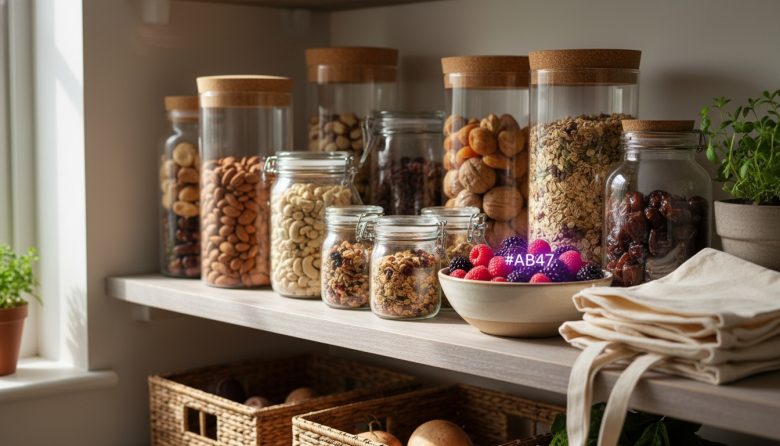
Remember that rushed morning last week when I grabbed a box of sugary cereal, only to crash by 10 a.m.? I was juggling emails and kids’ lunches, thinking it was a quick win. Swapping it for a simple bowl of rolled oats with fresh berries changed everything—no more mid-morning fog, just steady focus through lunch.
Clean eating swaps like that appeal because they deliver reliable energy without the rollercoaster. Processed foods often pack hidden sugars and refined carbs that spike and drop your blood sugar. In this guide, we’ll explore why these swaps matter, share meal ideas, and use a handy table for quick reference.
Start small—one swap per day keeps it doable and builds momentum. You’ll notice clearer thinking and fewer cravings soon. Let’s dive into how these changes restore your daily rhythm.
Why Processed Foods Disrupt Your Daily Rhythm and Clean Swaps Restore Balance
Processed foods often lead to blood sugar spikes from added sugars and refined carbs. This triggers a quick insulin response, followed by a crash that leaves you tired and hungry. Clean whole foods, rich in fiber and nutrients, help maintain steadier levels for better focus.
Think of it like your body’s fuel system—jerky inputs cause stalls, while even ones keep you cruising. Studies on glycemic response show whole grains and veggies slow digestion, avoiding those dips. This supports your circadian rhythm too, aiding consistent energy.
Take my post-lunch slump example: a bag of chips sent me yawning by 2 p.m., but swapping for almonds and carrot sticks kept me sharp for afternoon calls. These shifts often improve mood and sleep over time. Simple tweaks like this add up.
Breakfast Swaps: From Sugary Cereals to Nourishing Starts
Skip the colorful loops and try plain Greek yogurt layered with fresh berries and a sprinkle of chia seeds. This parfait offers protein and fiber for lasting fullness. Prep it the night before for busy mornings.
- Whip up a veggie omelet with spinach, tomatoes, and a bit of feta—fold in eggs for creaminess without processed cheese slices.
- Opt for overnight oats using rolled oats, almond milk, and sliced banana; stir in cinnamon for natural sweetness.
- Blend a smoothie with spinach, frozen berries, protein powder, and flaxseeds—sip it on the go for a nutrient boost.
These ideas draw from options like 10 Easy Clean Eating Breakfasts for Busy Mornings, making mornings smoother. Experiment to find your favorite combo.
Lunch and Dinner Makeovers: Ditch the Packaged Convenience
Replace frozen microwave meals with a quick grain bowl: layer cooked quinoa, roasted veggies, chickpeas, and a lemon-tahini dressing. It reheats well and feels hearty. Aim for colorful produce to pack in vitamins.
Try homemade stir-fries—sauté chicken or tofu with broccoli, bell peppers, and ginger over brown rice. Use tamari instead of sugary sauces for umami. This keeps flavors bold without additives.
- Build salads with mixed greens, grilled fish, avocado, and olive oil vinaigrette—add nuts for crunch.
- Make sheet-pan dinners: toss sweet potatoes, sausage, and kale with herbs, then bake.
- Swap canned soups for blended veggie purees like carrot-ginger, simmered with broth.
- Use lentils in patties with onions and spices, served on greens—budget-friendly protein.
Planning around staples from 10 Budget-Friendly Clean Eating Staples to Stock Up keeps costs low. These meals often taste better after a few tries.
Snack Smart: Replacing Crisps and Crisps with Craving-Busters
Ditch potato crisps for apple slices dipped in almond butter— the combo satisfies salty-sweet urges with fiber and healthy fats. Keep pre-sliced bags in the fridge for grab-and-go. It curbs mindless munching.
Reach for celery sticks with hummus and cherry tomatoes instead of cheese puffs. The crunch mimics crisps, while protein stabilizes hunger. Add herbs like dill for extra zing.
Pop plain popcorn seasoned with nutritional yeast over packaged bars. Air-pop kernels at home for volume without the calories. These swaps often reduce afternoon cravings significantly.
Your Essential Processed-to-Clean Swap Guide
| Processed Food | Clean Alternative | Why It Helps | Swap Tip |
|---|---|---|---|
| Sugary cereal | Rolled oats with fresh fruit | Fiber slows sugar absorption for steady energy | Prep overnight in a jar with milk |
| Chips or crisps | Handful of nuts and veggie sticks | Healthy fats and crunch without blood sugar spikes | Portion into small bags weekly |
| Flavored yogurt | Plain Greek yogurt with berries | Probiotics and protein minus added sugars | Layer with nuts for texture |
| Canned soup | Homemade veggie broth blend | Lower sodium, more nutrients from real veggies | Freeze in portions |
| Granola bar | Apple with nut butter | Natural sweetness and fats for satisfaction | Slice apples ahead |
| White bread sandwich | Whole grain wrap with greens | Better fiber for fullness | Add mustard for flavor |
| Soda | Infused water with lemon-cucumber | Hydration without caffeine crashes | Refill a pitcher daily |
| Frozen pizza | Cauliflower crust with toppings | Veggies boost nutrients, less refined carbs | Bake fresh weekly |
Use this table as your go-to cheat sheet—pick one row per meal to start. Track how your energy and mood shift after a few days; jot notes in a phone app. It makes clean eating visual and simple.
Refer back when grocery shopping, especially with ideas from a Beginner’s Guide to Budget Clean Eating. Small wins build lasting habits.
Hydration Heroes: Swapping Sodas for Refreshing Real Drinks
Trade fizzy sodas for cucumber-mint infused water—it sparkles naturally when chilled with bubbles from a soda maker. Herbal teas like peppermint or ginger provide variety without caffeine. These keep you hydrated for better focus.
Try sparkling water with a splash of fresh juice or coconut water for electrolytes post-workout. They often taste more refreshing than diet versions. Rotate flavors to stay excited.
Safety / when to be cautious: If introducing new herbs, check for allergies, especially if pregnant or on meds. Start with mild options and sip slowly.
Safety Notes and Habit Tips for Sustainable Swaps
Ease into swaps to avoid nutrient gaps—balance plates with proteins, fats, and carbs from whole sources. Consult a doctor if you have conditions like diabetes, as changes may affect meds. Listen to your body for any discomfort.
Build habits by prepping Sundays: chop veggies, cook grains ahead. This cuts decision fatigue. Track energy, digestion, and sleep for a week to see patterns.
Experiment freely— what works varies by lifestyle. If a swap flops, tweak it. Sustainable changes beat perfection every time.
FAQ
What’s the difference between processed and ultra-processed foods?
Processed foods undergo some changes, like canned beans or frozen veggies, which can still be nutritious. Ultra-processed ones often include additives, sugars, and artificial flavors, like ready meals or sweets. Focus on labels with short, recognizable ingredient lists for cleaner choices.
Can I swap everything at once?
Not usually—jumping in fully can feel overwhelming and lead to burnout. Start with 1-2 meals a day, like breakfast and snacks, then expand. Personal variation plays a role, so pace yourself.
Are clean swaps more expensive?
They can be comparable or cheaper with smart planning, like buying seasonal produce and bulk staples. Evidence shows home cooking often saves money long-term versus takeout. Shop sales and use lists to keep budgets tight.
What if I crave the old flavors?
Cravings fade as taste buds adjust, often within two weeks. Amp up herbs, spices, garlic, or citrus for bold tastes naturally. Pair with crunchy textures to mimic processed appeal.
How do I know if swaps are working?
Monitor simple signals: steadier energy, fewer cravings, better sleep, or improved digestion. Track in a journal for a week, noting before-and-after. Adjust based on your responses—results vary by individual.