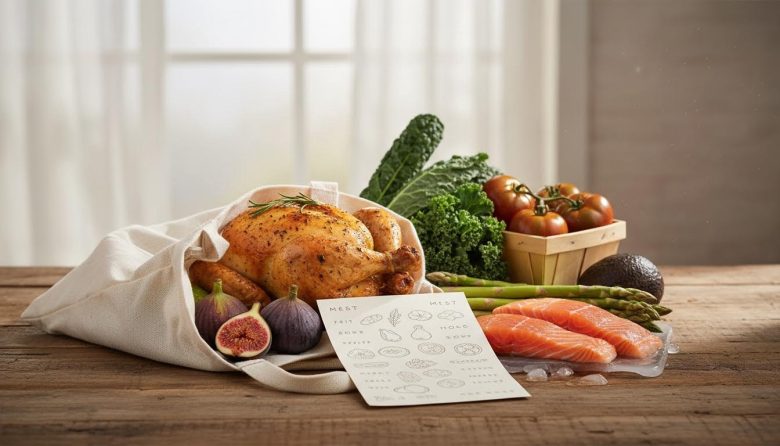
Tired of impulse buys at the grocery store derailing your healthy eating goals? As a busy professional or parent juggling work, kids, and meals, it’s easy to grab processed snacks that leave you crashing mid-afternoon. Clean eating focuses on whole, minimally processed foods like fresh produce, lean proteins, and whole grains, which often support steady energy and better mood by providing balanced nutrients without hidden sugars or additives.
These 6 practical tips streamline your shopping trips, making it simpler to fill your cart with nutrient-dense choices. You’ll cut waste, save time, and build habits that fit your life. Try one or two this week, and track how your energy shifts—grab a notebook or app to note post-shop meals.
Build a Meal-Focused Shopping List Before You Go
Why it helps: A pre-planned list reduces decision fatigue in the aisles, where bright packaging tempts impulse grabs. It aligns purchases with your weekly meals, cutting food waste and ensuring you have ingredients for balanced plates. This approach tends to keep spending in check while prioritizing nutrient-rich foods.
What to try:
- Categorize your list by store sections: produce first, then proteins, grains, and a small flex category for treats.
- Use a meal planning app or paper template—check out How to Build a Weekly Clean Eating Meal Plan for a simple starter framework that takes under 15 minutes.
- Include perimeter staples like veggies and eggs, aiming for half your list as colorful produce.
- Add 1-2 versatile items, such as frozen spinach, for quick meal boosts during hectic weeks.
- Batch similar shops: list proteins one week, carbs the next, to rotate variety without overwhelm.
Safety / when to be cautious: Balance your budget by starting small—swap one processed item per category rather than overhauling everything at once.
Stick to the Perimeter for Fresh, Unprocessed Picks
Why it helps: Grocery stores stock the outer aisles with whole foods like fruits, veggies, dairy, and meats, which typically have fewer additives. These choices provide fiber and protein for sustained energy, helping avoid blood sugar spikes from inner-aisle processed goods. Families often find this method eases meal prep with fresh, versatile ingredients.
What to try:
- Fill half your cart with produce: grab seasonal apples, leafy greens, and berries for natural sweetness.
- Scan for grass-fed meats or wild-caught fish in the protein section—they may offer better nutrient profiles like omega-3s.
- For families, pick family packs of yogurt or eggs, portioning them into grab-and-go containers at home.
- Pair with veggie ideas from Top 10 Veggie Swaps for Everyday Clean Meals to mix up sides without boredom.
- Limit inner-aisle trips to one quick pass for nuts or oats, keeping the focus outward.
Quick-Scan Labels to Spot Hidden Additives
Why it helps: Even ‘healthy’ packaged foods can hide sugars or preservatives that disrupt steady energy via blood sugar fluctuations. A fast label check empowers you to choose options with simpler ingredients, supporting better digestion and satiety. This habit builds confidence in navigating modern grocery traps.
What to try:
- Aim for under 5 ingredients total—real foods don’t need long lists.
- Skip items with high-fructose corn syrup or artificial flavors; opt for those listing whole sources like cane sugar in moderation.
- Check sodium and added sugars per serving—under 5g added sugar is a good benchmark for most.
- Use your phone’s flashlight for quick aisle scans; apps like barcode readers can flag common culprits in seconds.
Safety / when to be cautious: Moderation applies—enjoy occasional packaged items mindfully without guilt, focusing on patterns over perfection.
These label-savvy swaps turn everyday picks into cleaner wins. The table below highlights quick exchanges to glance at while shopping.
| Conventional Item | Clean Swap | Nutrient Edge | Shopping Hack |
|---|---|---|---|
| Potato chips | Roasted chickpeas or nuts | More protein and fiber for fullness | Grab pre-portioned bags in bulk aisle |
| Sugary cereal | Rolled oats | Steady energy from complex carbs | Buy plain and add fruit at home |
| White bread | Whole grain or sprouted bread | Better gut support via intact grains | Check freezer section for freshness |
| Fruit snacks | Fresh or dried fruit | Natural sugars with vitamins | Portion into reusable bags weekly |
| Flavored yogurt | Plain Greek yogurt | Higher protein, fewer additives | Buy large tubs, flavor yourself |
| Canned soup | Homemade broth base | Lower sodium, customizable veggies | Stock frozen mirepoix mixes |
| Granola bars | Nut butter packets | Healthy fats over processed carbs | Look for single-serve in produce area |
| Ice cream | Frozen banana ‘nice cream’ | Potassium boost, no cream needed | Buy ripe bananas on sale |
This at-a-glance guide, inspired by ideas like 9 Easy Swaps for Clean Eating Junk Food Cravings, simplifies upgrades without rethinking your entire list.
Load Up on Versatile Clean Staples for the Week
Why it helps: Staples like nuts, quinoa, and frozen veggies form the base for quick assemblies, stabilizing blood sugar across busy days. They reduce reliance on takeout by enabling 10-minute meals. For families, these multiply into kid-friendly options with minimal effort.
What to try:
- Stock bulk bins with almonds, quinoa, and lentils—measure into jars for grab-and-go portions.
- Buy frozen berries or spinach in family-sized bags; they retain nutrients and thaw fast.
- Grab olive oil, herbs, and citrus for flavor boosts without processed sauces.
- Opt for canned wild salmon or chickpeas—rinse well for low-sodium protein punches.
- Portion nuts into 1-oz bags for snacks, easing workweek munching.
Time Your Shop Mid-Week for Peak Freshness and Deals
Why it helps: Mid-week restocks bring peak-fresh produce, aligning with less crowded stores for calmer decisions. This timing may sync with your circadian rhythm if evenings work best, reducing stress. Fresher items often mean better nutrient retention and value.
What to try:
- Shop Wednesday or Thursday evenings—stores refresh stock then, with markdowns starting.
- Set app alerts for your store’s restock schedule to catch prime slots.
- Go post-dinner for lighter carts and fewer temptations when hunger strikes.
- Track post-shop energy: note if fresher picks lift your mood the next day.
Experiment and Track Your Cart’s Impact on Daily Energy
Why it helps: Personalizing swaps reveals what fuels your unique body, refining habits over time. Tracking simple signals like mid-afternoon energy or sleep quality shows patterns. This feedback loop makes clean eating sustainable, not rigid.
What to try:
- Journal one week: rate energy 1-10 after meals made from your new cart.
- Rotate one swap per shop, like nuts over chips, and compare satiety.
- Use a phone note: ‘Day 1: Perimeter focus—energy steady till 3pm.’
- Share family wins: vote on favorite staples to build buy-in.
Start with one tip this week, like the list or perimeter rule, and tweak based on your logs. Small experiments often lead to lasting shifts.
Frequently Asked Questions
What counts as ‘clean eating’ in a grocery context?
Clean eating emphasizes whole foods like fresh fruits, vegetables, lean proteins, and minimally processed grains. It tends to favor items with short, recognizable ingredient lists over those heavy in sugars or preservatives. Variations exist—focus on what nourishes your energy without strict rules.
How do I clean eat on a tight budget?
Stick to seasonal produce, bulk grains, and frozen options, which often cost less per serving. Shop sales cycles and compare unit prices for staples like oats or eggs. Start by swapping one high-cost item weekly to ease into savings without skimping on nutrition.
Is organic always better for clean shopping?
Organic can reduce pesticide exposure, but conventional washed produce works well too, especially for thick-skinned items. Prioritize the dirty dozen list if budget allows, but overall volume of veggies matters more. Wash everything thoroughly for peace of mind.
What if my family resists these swaps?
Involve them in list-making or picking one fun swap, like fruit over snacks. Blend familiar flavors, such as nut butter on apple slices mimicking candy bars. Patience helps—model benefits through your energy, and resistance often fades with tasty trials.
How soon will I notice benefits from these tips?
Many report steadier energy within a week from fewer additives, but it varies by starting point. Track mood and sleep for 2-3 shops to spot patterns. Consistency amplifies effects, so adjust based on your signals.