Remember that frantic morning last summer when I zipped through the drive-thru for a massive strawberry smoothie? It tasted like candy, but by 10 a.m., I was dragging, head foggy, and raiding the vending machine. That crash taught me a big lesson. Swapping it for a homemade clean eating smoothie changed everything—no jitters, steady energy all morning, and I actually felt satisfied.
Clean eating smoothies rely on whole foods like fruits, veggies, and nuts instead of added sugars or artificial stuff. They deliver steady energy because fiber and nutrients release slowly, keeping blood sugar balanced for better focus and mood. No more afternoon slumps for me. Plus, they’re quick to whip up with what’s in your kitchen.
In this guide, I’ll share simple ingredient swaps, blending secrets, and three go-to recipes that taste amazing. Whether you’re rushing to work or need a post-workout boost, these keep it real and delicious. Let’s make smoothies that fuel you right.
Why Clean Smoothies Fuel Your Day Better Than Sugary Ones
Sugary smoothies spike your blood sugar fast, leading to a quick high then a crash that zaps energy and mood. Clean versions use fiber-rich whole foods that slow sugar absorption, often supporting steadier energy through the day. This can help tame the stress response too, as balanced blood sugar tends to keep cortisol in check.
Take my pre-workout routine. I blend a banana with spinach and almond butter about 30 minutes before exercise. It provides lasting fuel without the heavy feeling, helping me power through yoga without fading midway.
Studies back this up in plain terms: whole food fiber binds to sugars, releasing them gradually for sustained focus. You may notice sharper thinking and fewer snack urges. It’s a small shift with real payoff.
Liquid Bases That Blend Smooth and Keep It Clean
Water works, but for flavor and hydration, try unsweetened nut milks like almond or oat. They add creaminess without dairy or sugars. Coconut water brings natural electrolytes for post-sweat recovery, tasting mildly sweet.
Green tea chilled is my secret for a gentle caffeine lift. It hydrates deeply and pairs with fruits without overpowering. What to try: 1 cup almond milk for nutty base; ¾ cup coconut water for tropical vibe; 1 cup cooled green tea for zing.
These keep calories low while boosting taste. Experiment to find your favorite—mine rotates with the seasons for variety.
Fruits for Natural Sweetness That Actually Satisfies
Berries like blueberries and strawberries pack antioxidants and fiber, slowing sugar release for even energy. Bananas add creaminess and potassium, great for muscle recovery. Mango brings tropical sweetness with vitamins that support immunity.
The fiber in these fruits binds sugars, preventing spikes that lead to hunger soon after. This mechanism helps you feel full longer compared to juice alone.
What to try: 1. Frozen berries (1 cup) for tart pop; 2. Ripe banana (½) sliced for silkiness; 3. Mango chunks (¾ cup) blended smooth; 4. Pineapple (½ cup) for bright tang. I wait for bananas to spotty-ripe—they’re sweetest then, no need for extras.
Pro tip: Freeze fruits ahead. It chills the smoothie naturally, mimicking milkshake texture. Pair this with ideas from 20 Quick Clean Eating Breakfast Ideas Under 10 Minutes for full mornings.
Sneak in Veggies Without Tasting the Green
Spinach blends invisible in dark fruits like berries—mild flavor, tons of nutrients. Cauliflower rice (frozen) adds neutral creaminess and vitamin C. Zucchini steams soft, nearly tasteless when paired right.
What to try: 1. Handful spinach with banana; 2. ½ cup cauliflower under mango; 3. ½ zucchini with pineapple; 4. Kale stems removed, blended with berries. These boost fiber and micros without green hue or bitterness.
Safety note: If you’re new to high fiber, start with ¼ cup veggies to let your gut adjust—may prevent temporary bloating. Build up slowly for smooth digestion.
Clean Swaps for Tasty Smoothies
| Common Ingredient | Clean Swap | Taste/Texture Boost | Why It Helps |
|---|---|---|---|
| Sugary yogurt | Coconut or almond yogurt (unsweetened) | Creamy, lightly tropical | No added sugars, supports gut health with probiotics |
| Fruit juice from carton | Fresh or frozen whole fruit | Thicker, more intense natural flavor | Fiber intact for steady energy, less processed |
| White sugar or honey | Dates (1-2 pitted) | Caramel depth, chewy bits | Whole food sweetness with minerals, slower absorption |
| Chocolate syrup | Cacao powder (1 tbsp) | Rich, bittersweet without cloy | Antioxidants, magnesium for mood support |
| Store-bought protein powder | Chia seeds or hemp hearts (1-2 tbsp) | Gel-like thickness, nutty | Complete proteins, omega-3s, no additives |
| Peanut butter with sugar | Almond or sunflower seed butter | Smooth, roasty | Healthy fats for satiety, fewer ingredients |
| Ice cubes only | Frozen banana or cauliflower | Ultra creamy, no dilution | Nutrient-dense chill, enhances mouthfeel |
| Canned milk | Coconut water or nut milk | Light, hydrating | Electrolytes, low cal, dairy-free option |
Protein and Fats for Fullness That Lasts
Nuts like almonds or walnuts add healthy fats that signal fullness to your brain. Seeds such as chia or flax swell with liquid, creating gel for lasting satiety. Plain Greek yogurt alternatives like coconut keep protein high without lactose.
These combos slow digestion, helping you skip mid-morning munchies. Fats pair with fruits to balance flavors too.
What to try: 1. 1 tbsp almond butter for richness; 2. 1 tbsp chia in berry blends; 3. Handful walnuts for crunch; 4. ½ cup coconut yogurt swirled in. I add these to every smoothie now—keeps me going till lunch.
For snack ideas that complement, try 15 Clean Eating Snacks That Keep You Satisfied.
Flavor Twists and Blending Secrets for Pro Results
Ginger (½ tsp fresh) adds zip to greens; cinnamon warms bananas. Vanilla extract (½ tsp) enhances without calories. Fresh mint leaves brighten tropical ones.
Blend order matters: liquids first, then soft fruits/veggies, powders, ice last for smoothness. Pulse if needed to avoid warming.
Track your energy and mood after a week of tweaks—note what leaves you fullest. Small experiments like these make clean eating fun. If transitioning, How to Switch to Clean Eating Without Stress has more gentle steps.
Three Go-To Recipes for Busy Mornings
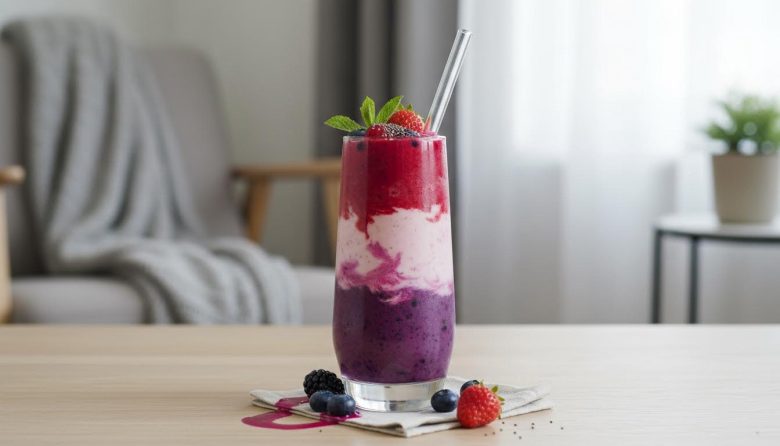
Berry Blast (serves 1, ~300 cal, 5 min prep): 1 cup almond milk, 1 cup mixed frozen berries, ½ banana, handful spinach, 1 tbsp chia. Blend liquids first, add rest, whiz 30 sec. Tweak with more berries if needed—my energizer for desk days.
Tropical Green (~280 cal): ¾ cup coconut water, ¾ cup frozen mango, ½ cup cauliflower rice, ½ zucchini, 1 tbsp hemp hearts, pinch ginger. Layer soft to hard; blends dreamy. Great post-yoga, hydrates deep.
Peanut Power (~320 cal): 1 cup oat milk, 1 frozen banana, 1 tbsp almond butter, 1 tbsp cacao, handful spinach, cinnamon dash. Creamy like a treat. Fuels hikes perfectly—experiment with seed butter swap.
FAQ
Can I prep smoothies ahead without losing nutrition or taste?
Yes, they often hold well for 24 hours in a sealed jar in the fridge. Add delicate greens right before blending to keep vibrancy; sturdy fruits like bananas fare best overnight. Track freshness by smell and texture—toss if off, and note how your energy holds.
Are frozen ingredients as good as fresh for clean eating?
Often just as nutritious, sometimes more since frozen at peak ripeness locks in vitamins. They enhance creaminess too, no ice needed. Convenience wins for busy days, with minimal nutrient drop.
How do I make smoothies creamy without dairy?
Frozen banana, avocado (¼), or nut butter (1 tbsp) create that milkshake vibe. Start with small amounts to balance flavor. Experiment in your blender—results vary by power.
Will adding veggies make my smoothie less sweet?
It tends to balance sweetness rather than overpower. Strong fruits like pineapple or mango hide mild greens easily—start with ½ cup. Taste as you go for perfect harmony.
What’s a good portion size for daily clean smoothies?
12-16 oz works for most as a snack or light meal. Listen to your hunger cues; pair with nuts if still peckish. Adjust based on activity—track mood and fullness for personalization.