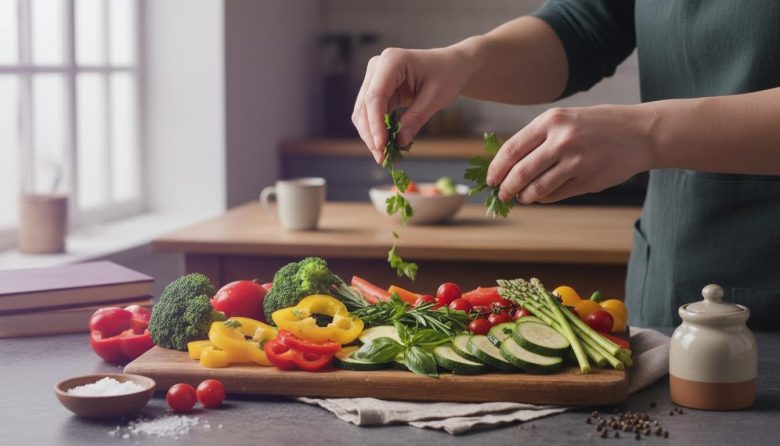
Imagine rushing through your workday, only to face another plate of steamed broccoli and grilled chicken that tastes as exciting as cardboard. Many working professionals and families dive into clean eating for its focus on whole, unprocessed foods, but bland flavors often lead to burnout. The good news: you can transform these meals using natural enhancers that tap into how our taste buds and olfactory receptors work.
Clean eating emphasizes ingredients like fresh produce, lean proteins, and whole grains, but without added sugars or artificial flavors, dishes can fall flat. Sensory science shows that compounds like acids, volatile oils, and glutamates naturally activate multiple taste pathways, boosting satisfaction without compromising health goals. These 5 tips draw from that, helping you stick with clean eating longer while enjoying restaurant-like depth.
Benefits include better meal adherence, steadier energy from enjoyable eating, and even improved mood from flavorful, nutrient-dense plates. Start small, experiment in your kitchen, and track simple signals like post-meal fullness or craving levels. Your taste buds will thank you, making clean eating a sustainable habit for busy schedules.
Brighten Dishes with Citrus and Vinegars
Why it helps
Acids from citrus and vinegars lower the pH on your palate, cutting through richness in fats or starches. This balance often enhances underlying sweetness and saltiness, making whole foods pop without extra calories. It mimics how chefs brighten dishes, signaling freshness to your brain’s reward centers.
What to try
- Squeeze fresh lemon over roasted veggies or fish at the table for an instant zing that wakes up mild flavors, ready in under a minute.
- Mix apple cider vinegar with olive oil and a pinch of salt for a dressing on 10 Easy Clean Eating Breakfasts for Busy Mornings, adding tang to greens without processed bottled versions.
- Grate lime zest into quinoa salads or chicken stir-fries; the oils in the peel amplify aroma while the juice tenderizes proteins gently.
- Drizzle balsamic vinegar reduction over baked sweet potatoes or berries for a sweet-acidic contrast that satisfies dessert urges naturally.
Safety / when to be cautious
Those with acid reflux or sensitive stomachs may find high acidity irritating; dilute with water or use milder options like rice vinegar. Start with small amounts to test tolerance.
Elevate Everyday Meals Using Fresh Herbs
Building on acidic brightness, fresh herbs layer in aroma for fuller flavor profiles. Their volatile oils evaporate easily, stimulating smell receptors that account for 80% of taste perception. This approach keeps meals light yet complex, ideal for family dinners on tight evenings.
Why it helps
Herbs release essential oils when chopped or heated lightly, sending signals to olfactory nerves for nuanced scents like earthiness or mintiness. These compounds complement proteins and veggies, often reducing the need for salt. The result tends to be more satisfying meals that encourage clean eating consistency.
What to try
- Chop basil and mint into yogurt-based dips for veggie sticks, a 5-minute snack hack for kids or desk lunches.
- Toss cilantro with black beans and corn in salads; its citrusy notes pair well with lime for Mexican-inspired bowls.
- Infuse rosemary in olive oil for drizzling on potatoes or meats; simmer briefly for potent flavor without overpowering.
- Snip parsley and dill over poached eggs or tuna; the freshness cuts any fishiness, perfect for quick protein boosts.
- Blend oregano and thyme into marinades for grilled chicken; these Mediterranean staples add warmth for meal prep Sundays.
Deepen Savory Notes Through Strategic Spicing
Herbs set the aromatic stage, but spices add warmth through heat-activated compounds. For busy pros, a well-spiced meal feels indulgent yet clean. This tip focuses on cumin, paprika, and ginger for everyday depth.
Why it helps
Spices contain capsaicin or gingerol that bloom with gentle heat, releasing layered flavors that meld with proteins and veggies. They often enhance savoriness by stimulating trigeminal nerves, creating a satisfying mouthfeel. This can help meals feel more substantial without heavy sauces.
What to try
- Sprinkle smoked paprika on roasted cauliflower for a bacon-like smokiness, oven-ready in 20 minutes.
- Toast cumin seeds then grind for lentil soups; the nutty edge builds cozy depth for weeknight comfort.
- Grate fresh ginger into stir-fried greens and tofu; its warmth aids digestion while brightening mild bases.
Safety / when to be cautious
Begin with 1/4 teaspoon per serving to avoid overwhelming dishes or triggering sensitivities like heartburn. Those on blood thinners should consult a doctor about ginger amounts.
Unlock Umami with Mushrooms and Seaweeds
Spices warm the palate, but umami sources provide meaty richness naturally. Mushrooms and seaweeds shine here for plant-based clean eating. They’re pantry staples that elevate simple grains or broths effortlessly.
Why it helps
These foods are rich in glutamates and nucleotides that bind to umami receptors, amplifying savoriness akin to broth or cheese. Cooking releases free glutamates, deepening flavors without sodium spikes. This often makes veggie-heavy meals more appealing for long-term adherence.
What to Try
- Sauté sliced shiitake mushrooms into rice pilafs; their chew and earthiness mimic beef in under 10 minutes.
- Add crumbled nori sheets to popcorn or salads for oceanic umami, a snack upgrade for movie nights.
- Simmer rehydrated wakame in miso-like broths with tofu; low-cal yet filling for lunch thermos.
- Blend dried porcini powder into bean patties; instant burger depth for family grill-outs.
Layer Aromatics for Restaurant-Quality Depth
Umami anchors savoriness, while aromatics build the flavor foundation from the start. Alliums like onions, garlic, and leeks sweat to release sugars and sulfurs. This technique suits batch cooking for the week.
Why it helps
Sulfur compounds in alliums caramelize slightly when sautéed, forming a base that infuses everything else. Low heat draws out sweetness, balancing any bitterness in greens or grains. It creates complexity that pros swear by for quick, pro-level meals.
What to Try
- Sauté thinly sliced leeks in olive oil as a base for frittatas; mild onion flavor for breakfast meal prep.
- Mince garlic and shallots for vinaigrettes; raw punch mellows in dressings over time.
- Roast whole garlic bulbs, then squeeze into hummus or soups; creamy sweetness without effort.
Your Go-To Natural Flavor Swaps
This table pairs common processed additives with whole-food alternatives, making swaps simple for clean eating. Use it during grocery runs or recipe tweaks, and note which boosts your favorite dishes most. It’s a visual cheat sheet for busy kitchens aiming for flavor without fillers.
| Processed Stand-In | Natural Swap | Flavor Boost | Quick Meal Hack |
|---|---|---|---|
| Sugar packets | Fresh orange zest | Bright citrus lift | Salad dressing |
| MSG powder | Dried shiitake powder | Deep umami | Soups and stir-fries |
| Ketchup | Tomato paste + vinegar | Tangy sweetness | Meatballs or veggies |
| Artificial vanilla | Vanilla bean scrapings | True aromatic warmth | Oatmeal or yogurt |
| Bouillon cubes | Kombu seaweed | Mineral-rich savoriness | Broths and grains |
| BBQ sauce | Smoked paprika + balsamic | Smoky tang | Grilled proteins |
| Ranch seasoning | Dill + garlic powder | Herby creaminess | Dips for crudités |
| Curry powder blends | Fresh turmeric + cumin | Earthy heat | Curries or roasted roots |
Refer to this often when adapting recipes, like in Quick Tips for Prepping Clean Eating Meals Ahead. Track which swaps keep your energy steady through the afternoon.
FAQ: Natural Flavoring for Clean Eating
What’s the difference between clean eating and low-calorie?
Clean eating prioritizes whole, minimally processed foods for nutrient density, not just calorie cuts. Low-calorie focuses on energy reduction, often allowing processed light versions. These flavor tips enhance clean eating’s wholesomeness while supporting satisfaction.
Can I use salt in natural flavoring?
Salt enhances all tastes and is fine in moderation for clean eating, as it’s a mineral whole foods often provide. Aim for sea salt or from veggies; taste before adding. It pairs well with acids and herbs without dominating.
How do I store fresh herbs longer?
Wet a paper towel, wrap herbs loosely, and refrigerate in a bag; they last 1-2 weeks. Freeze chopped in ice cube trays with water or oil for months. This hack saves time for weekly shops.
Will these tips work for picky eaters?
They often do by building familiar flavors gradually, but preferences vary by age or habits. Start with mild options like lemon or basil, introducing one per meal. Involve picky eaters in choosing swaps for buy-in.
Any beginner mistakes to avoid?
Overloading with too many flavors at once can muddle tastes; layer 2-3 max per dish. Chopping herbs last prevents bitterness from oxidation. Taste as you go, adjusting for your palate’s feedback.
Pick one tip this week, like citrus brightening, and rotate through the rest. Track your enjoyment on a 1-10 scale plus energy levels after eating. Small experiments build lasting clean eating wins for you and your family— you’ve got this!
For budget-friendly sourcing, check 7 Tips to Make Clean Eating Affordable Daily. Consistent tweaks lead to meals you’ll crave.