Imagine rushing through the grocery store after a long workday, eyeing those vibrant veggies but hesitating at the price tags. With food costs climbing, many busy families wonder how to keep clean eating on the table without breaking the bank. Clean eating focuses on whole foods like fruits, vegetables, grains, and proteins with minimal processing and added sugars or preservatives—choices that fuel steady energy for work and family life.
These seven practical tips draw from everyday realities, such as seasonal pricing dips and bulk efficiencies that often cut costs by 20-30%. You’ll learn to prioritize produce, smart swaps, and simple meal planning. Track your grocery receipts weekly and note energy levels to see what works best for your routine.
Implementing even a few can help fit nutrient-dense meals into real budgets, supporting better focus and fewer mid-afternoon slumps. Start small, like checking sales flyers, and build from there. Let’s dive into strategies that keep things affordable and straightforward.
Prioritize Seasonal Produce for Natural Bargains and Peak Nutrition
Why it helps: In-season produce floods markets, driving prices down due to local abundance. Shorter travel times mean it often retains more vitamins and antioxidants, like vitamin C in summer berries, which supports immune function. This approach aligns with natural supply rhythms, making clean eating more accessible year-round.
What to try:
- Visit local farm stands or markets on weekends for deals—often 30-50% less than supermarkets.
- Use free apps to track sales on seasonal items, such as apples in fall or zucchini in summer.
- Freeze extras in portions right away to stretch value through off-months without nutrient loss.
- Build weekly meals around specials, like roasting whatever root veggies are cheap that week.
These steps tend to lower bills while boosting meal variety. Families report fresher flavors that kids enjoy more.
Stock Up on Bulk Dry Goods Like Grains and Legumes
Why it helps: Buying in bulk slashes per-unit costs, sometimes by half, since packaging shrinks expenses. Shelf-stable items like oats, quinoa, and lentils store easily, ensuring steady access to fiber-rich bases for clean meals. They provide sustained energy via complex carbs and plant proteins, helping maintain focus during busy days.
What to try:
- Join a co-op or warehouse club for 20-40% savings on 10-20 lb bags.
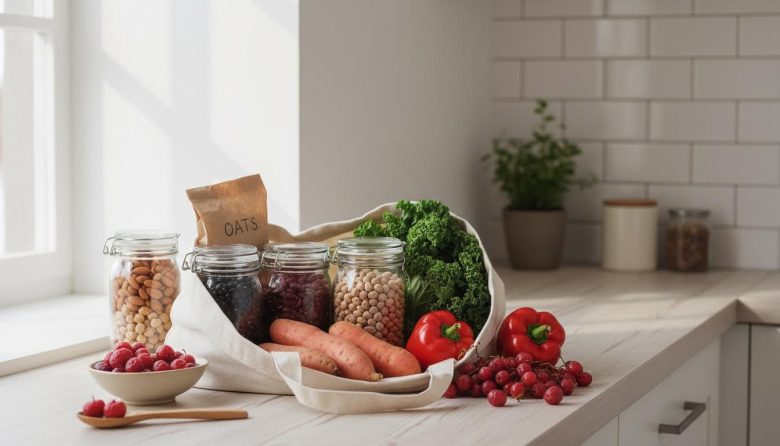
- Portion into reusable glass jars at home to avoid waste and grab quickly for cooking.
- Rotate recipes weekly, like oat porridge one day and lentil soup the next, to keep things fresh.
As detailed in the Beginner’s Guide to Clean Eating Grocery Shopping, scouting bulk aisles first sets up long-term wins. This habit often cuts impulse buys too.
Choose Frozen Over Out-of-Season Fresh for Steady Supply
Why it helps: Flash-frozen at peak ripeness, these hold nutrients like those in fresh-picked produce, often at lower year-round prices. No wilting waste means better budget control. They fit clean eating by offering convenience without sacrificing quality.
What to try:
- Pick no-sugar-added frozen berries or veggies for smoothies and sides.
- Use as bases for quick blends, adding spinach and banana for family breakfasts.
- Start soups or stews with frozen mixes, simmering for 20 minutes max.
- Compare labels always—opt for shortest ingredient lists, ideally just the food itself.
Safety / when to be cautious: Scan for preservatives or sodium; plain packs are safest. Introduce gradually if new to textures.
Quick Food Swaps to Slash Your Grocery Bill
These swaps turn common pricey picks into clean, wallet-friendly options. Use this table to update your shopping list and aim for one change per trip. Visual contrasts make planning faster for working pros and families.
| Common Pricey/Processed Choice | Clean Affordable Swap | Est. Weekly Savings (family of 4) | Nutrition Edge |
|---|---|---|---|
| Pre-washed organic salad kits ($6/bag) | Bulk loose greens + toppings ($2.50) | $14 | More fiber, fewer dressings |
| Store-bought juices ($4/bottle) | Whole fruits like apples/oranges ($1.50) | $10 | Fiber for steady blood sugar |
| Pre-marinated chicken breasts ($8/lb) | Eggs or canned beans ($3/lb equiv.) | $20 | Complete proteins, less fat |
| Protein snack bars ($1.50 each) | Bulk nuts/seeds ($0.50/oz) | $12 | No added sugars, healthy fats |
| Bottled salad dressings ($4/bottle) | Oil + vinegar + herbs ($1/home batch) | $9 | Cleaner ingredients, customizable |
| Pre-cut veggie trays ($5/tray) | Whole carrots/broccoli ($2) | $12 | Fresher crunch, peak vitamins |
Savings add up quickly—many see $50+ weekly. Adapt to your store’s deals for best results.
Opt for Store-Brand Organics on Essentials
Why it helps: These match name-brand quality at 20-40% less, meeting clean standards with simple ingredients. Focus on staples reduces overall spend without skimping on nutrition. Studies show similar pesticide residues and nutrient profiles.
What to try:
- Swap to store canned tomatoes—no salt added—for sauces and chilis.
- Choose their nuts or seeds in bulk bins for snacks and toppings.
- Grab oils like olive or avocado; verify first-press on labels.
Always read lists to confirm minimal processing. This keeps organics doable daily.
Build Weekly Meal Plans Around What’s on Sale
Why it helps: Planning cuts impulse buys by 25% on average and trims waste through intentional use. Aligning with weekly sales matches natural eating rhythms, like lighter summer meals. It supports consistent energy by prepping balanced plates.
What to try:
- Scan app flyers Sunday for top deals, noting 5-7 proteins and veggies.
- Use a simple template: staples like grains, then sales fill-ins.
- Batch prep twice weekly, like chopping veggies for 3 days.
- Get family input for buy-in—kids pick one fun meal.
- Layer in quick starts, such as ideas from 20 Quick Clean Eating Breakfast Ideas Under 10 Minutes.
Refine based on what your crew eats most. This rhythm often boosts weeknight ease.
Lean on Eggs, Legumes, and Affordable Proteins
Why it helps: These pack high satiety and complete amino acids at a fraction of meat costs. Eggs offer quick B vitamins for mood stability; legumes add fiber for gut health. They sustain longer, curbing snack urges.
What to try:
- Whip egg fritters with veggies for 10-minute dinners.
- Simmer lentil dal with spices—pairs with rice for hearty bowls.
- Toss chickpea salads with lemon and herbs for lunches.
- Stir-fry tofu cubes with frozen veggies for variety.
Safety / when to be cautious: Cook eggs thoroughly; check legume labels for rinsing. Note allergies and start with familiar flavors.
These shine in rotations, keeping proteins versatile.
Grow Herbs and Sprouts Indoors for Free Flavor Boosts
Why it helps: A small upfront cost yields months of fresh herbs, slashing $1-2 weekly on packets. They elevate basic meals, encouraging more veggie intake without extra spend. Easy wins build momentum for other habits.
What to try:
- Pot basil on a windowsill—snip for pasta or salads.
- Sprout alfalfa seeds in jars for sandwich crunch.
- Regrow scallions in water from scraps.
Harvest often to promote growth. Experiment with one tip weekly, tracking energy and mood shifts—small changes compound. For sweet finishes, explore options like those in 8 Clean Eating Desserts Without Refined Sugar.
FAQ
What’s considered ‘clean eating’ on a budget?
Clean eating emphasizes whole foods such as vegetables, grains, legumes, and lean proteins with few additives. On a budget, prioritize minimally processed picks like oats or canned beans over fancy labels. Focus on nutrient density over perfection to sustain daily.
Does buying organic always cost more?
Often yes, especially for thin-skinned produce, but store brands and sales narrow the gap to 10-20%. Non-organic clean options like scrubbed potatoes work well too. Weigh based on your Dirty Dozen list and local prices.
How much can I really save with these tips?
Varies by location, family size, and starting habits, but 20-30% grocery reductions are common with consistent planning. Track two months to measure your wins. Location sales amplify results.
Is frozen food as nutritious?
Tends to be comparable or better, as flash-freezing captures peak nutrients before decline. Check for no additives to stay clean. It often edges out shipped fresh in vitamin retention.
What if I have dietary restrictions?
Adapt swaps easily, like gluten-free grains in bulk or nut-free seeds. Consult a doctor for personalized needs, especially allergies. These tips flex well with tweaks.