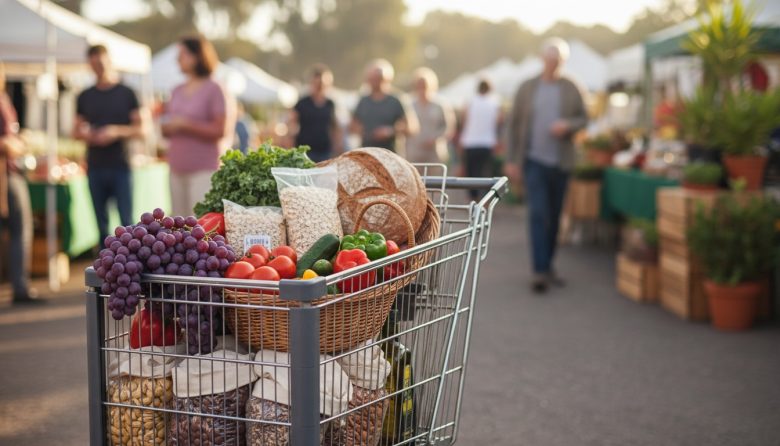
I remember my first attempt at clean eating grocery shopping like it was yesterday. I wandered the aisles feeling totally overwhelmed, staring at shelves packed with colorful boxes promising health miracles. My cart ended up half-full of impulse buys that didn’t align with my goal of eating more whole foods. That changed when I simplified my approach, focusing on fresh produce and basic staples, and suddenly meal prep felt doable.
Clean eating centers on whole, minimally processed foods like vegetables, lean proteins, and whole grains. It skips heavily processed items loaded with added sugars and artificial additives. The payoff? Steady energy throughout the day, better digestion, and fewer afternoon slumps that leave you reaching for snacks.
This beginner’s guide walks you through it step by step. We’ll cover why your choices matter, aisle strategies, a starter list, smart swaps, label reading, budget tips, and safety notes. By the end, you’ll shop confidently and build habits that stick. Let’s turn that overwhelming trip into a weekly win.
Why Your Grocery Cart Shapes Clean Eating Success
Your grocery cart is the foundation of clean eating. Choosing unprocessed foods helps maintain stable blood sugar levels, which often prevents energy crashes. This steady fuel supports your body’s natural rhythm, reducing the stress response that comes from sugar spikes and drops.
Take my post-shop energy boost as an example. After swapping sugary cereals for oats and fresh fruit, I noticed sustained focus through lunch without the usual 3 p.m. fog. Inflammation tends to ease too, as whole foods provide antioxidants that calm the body’s reactive processes.
Over time, this builds resilience. Your choices signal to your body consistent nourishment, fostering better sleep and mood stability. It’s not about perfection but consistent, small shifts in the cart.
Master the Aisles: Where to Head First for Wins
Start in the produce section for the biggest wins. Grab seasonal veggies like bell peppers or zucchini—they’re fresher and often cheaper. I always pick a rainbow of colors for variety, ensuring a mix of nutrients without much planning.
Next, head to proteins. Opt for eggs, chicken breasts, or canned wild salmon for quick, versatile options. These provide complete proteins that keep you full longer. In my early days, stocking tofu helped me experiment with plant-based meals on busy nights.
Don’t skip whole grains like brown rice or oats. They’re in the grains aisle, away from refined pastas. A tip: Check for minimal ingredients. This aisle order keeps your cart balanced from the start.
Finish with nuts and seeds in the baking or health section. A small bag of almonds adds crunch to salads. This path avoids temptation zones like the snack aisle, setting you up for success.
Build a Foolproof Starter Shopping List
Core category one: Vegetables. Try spinach, broccoli, carrots, sweet potatoes, avocados, and tomatoes. These form the base of salads, stir-fries, and sides. Start with five you enjoy to keep it simple.
Proteins come next. Eggs, ground turkey, lentils, Greek yogurt, salmon fillets, and chickpeas offer variety. Mix animal and plant sources for balance. I rely on eggs for breakfast scrambles that fuel my mornings.
Fruits for natural sweetness: Apples, berries, bananas, oranges, lemons, and kiwi. They’re portable snacks that curb cravings. Berries top my list for their antioxidants without added sugars.
Whole grains and carbs: Quinoa, oats, brown rice, sweet potatoes (veggie overlap), barley, and whole grain bread if needed. These provide sustained energy. Quinoa became my go-to after learning its protein punch.
Healthy fats: Olive oil, nuts like almonds and walnuts, seeds such as chia and pumpkin, and nut butters with one ingredient. These support brain health and satiety. Personalize by swapping for your favorites.
Use this as your template. Jot it on your phone app before shopping. Tweak based on sales or preferences for long-term adherence.
Smart Swaps That Make Clean Eating Effortless
Swapping familiar items for cleaner versions simplifies the transition. This table highlights everyday store staples, their clean eating alternatives, and quick benefits. It makes decisions visual and beginner-friendly.
| Store Staple | Clean Swap | Quick Benefit |
|---|---|---|
| White bread | Whole grain or sourdough | Steady energy from fiber |
| Sugary cereal | Oats or muesli | Better blood sugar control |
| Chips | Baked veggie crisps or nuts | Less processed fats |
| Regular yogurt | Plain Greek yogurt | Higher protein, no added sugar |
| Bottled salad dressing | Olive oil and vinegar | Fewer preservatives |
| Instant noodles | Whole wheat pasta | More nutrients, filling fiber |
| Canned soup | Homemade broth with veggies | Lower sodium |
| Fruit snacks | Fresh fruit | Natural sweetness |
These swaps fit any budget and taste. Test one per shop to build confidence. They pave the way for meals like those in 13 One-Pot Clean Eating Dinners for Easy Prep.
Label Detective: Spotting Sneaky Additives
Labels reveal hidden pitfalls. Aim for under five ingredients, mostly recognizable like “oats” or “salt.” Skip if the list reads like a chemistry experiment.
Common avoids include added sugars, high fructose corn syrup, and artificial colors. Check the first three ingredients—they dominate the product. My cereal scan showed 10 grams of sugar per serving versus zero in plain oats.
Sodium matters too; over 500 mg per serving flags excess. Trans fats or hydrogenated oils? Pass. Practice on one item per trip to sharpen your skills.
This habit empowers choices. Over time, it becomes second nature, aligning your cart with clean eating goals.
Stretch Your Budget with Clean Eating Staples
Buy in bulk for grains and nuts—oats or rice last weeks. Shop the perimeter where fresh foods live, often at lower per-unit costs. Seasonal produce like winter squash saves dollars.
Frozen veggies match fresh nutrition at half the price. I cut $20 weekly by freezing berries instead of buying fresh out-of-season. Opt for store brands on basics like canned beans.
Plan around sales flyers. Build from staples like eggs, which stretch across meals. Track spending before and after to see savings emerge.
Pair this with planning from How to Build a Weekly Clean Eating Meal Plan. It minimizes waste and maximizes value.
Safety Notes and Personalizing Your Cart
Allergies or conditions? Consult your doctor before big shifts, especially with nuts or shellfish. Introduce new foods gradually to monitor reactions.
Balance variety to cover nutrients—rotate greens and proteins. This avoids gaps without overcomplicating. If pregnant or managing diabetes, professional input ensures safety.
Personalize for lifestyle. Athletes may need more carbs; vegetarians emphasize plants. Listen to your body for tweaks.
Ready to experiment? Try one swap this week and track energy or mood in a simple journal. Notice patterns after three shops. Link it to quick starts like 20 Quick Clean Eating Breakfast Ideas Under 10 Minutes for momentum.
FAQ
What’s the difference between clean eating and just eating healthy?
Clean eating emphasizes whole or minimally processed foods, prioritizing ingredients close to their natural state. Healthy eating can include more variety, like occasional processed items if balanced. It varies by person—focus on what sustains your energy.
Do I need to buy all organic for clean eating?
No, organic isn’t required for everyone. Prioritize the Dirty Dozen like strawberries or spinach if budget allows, as they often carry more pesticides. Conventional options work well for others, like avocados; wash thoroughly for safety.
How do I avoid getting overwhelmed on my first shop?
Start small with a five-item list from one aisle, like produce. Shop mid-week for quieter stores and fresher stock. Breathe and stick to the perimeter—build from there next time.
Can kids or picky eaters do clean eating grocery shopping?
Yes, involve them in picking familiar fruits or fun-shaped veggies. Make gradual swaps, like blending spinach into smoothies they like. Acknowledge tastes vary; patience leads to acceptance over time.
What if clean eating foods are pricier?
Focus on budget staples like eggs, oats, and seasonal produce for value. Long-term, fewer processed snacks save on health costs. Shop sales and bulk to offset upfront expenses effectively.