Remember the chaos of dinnertime with my three kids, all under 10, turning their noses up at anything green? I was exhausted from battles over broccoli and pleas for more chicken nuggets. That’s when I discovered clean eating—focusing on whole foods like fresh fruits, veggies, lean proteins, and whole grains with minimal processing—could transform our meals into family adventures.
These 8 tips turned my picky eaters into kitchen helpers, boosting our energy and creating bonding moments over food. Families often notice steadier moods and better sleep when swapping processed snacks for nutrient-dense options. Try these, and track your family’s post-meal mood with a simple smiley-face chart—watch the grins grow!
Turn Grocery Runs into Epic Treasure Hunts
Tip 1: Transform shopping into a game by creating a scavenger hunt list for colorful produce. Hand kids a basket and challenge them to find the brightest red pepper or curliest carrot. This builds excitement for real foods through play.
Why it helps: Play activates the brain’s reward centers, making healthy choices feel like winning a prize rather than a chore. Kids tend to try new items they’ve “hunted” themselves, easing resistance to variety.
What to try:
- Strawberries as red gems.
- Yellow bananas or corn for sunshine finds.
- Green spinach or zucchini as forest treasures.
- Purple cabbage or grapes for royal picks.
One Saturday, my youngest found a funky purple cauliflower—we roasted it, and it became his favorite. When considering 8 Nutrient-Rich Smoothies for Clean Eating Starts, starting with fun hunts makes blending those veggies a breeze later.
Rainbow Plates That Spark Joy at Every Meal
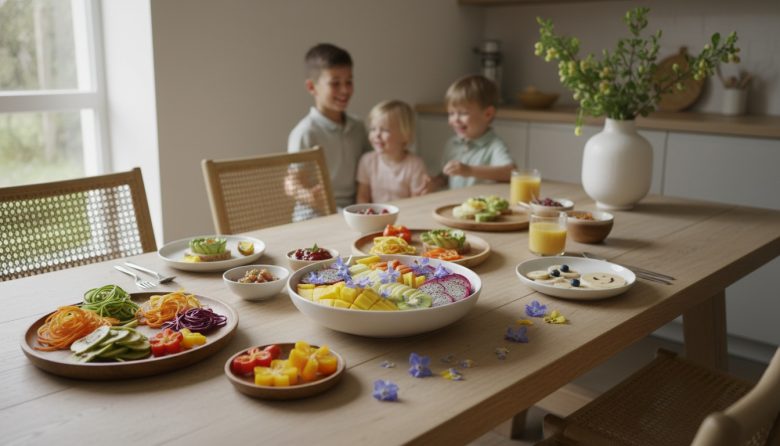
Tip 3: Build visually stunning plates using natural colors from produce. Aim for a full spectrum—red tomatoes, orange carrots, yellow peppers, green broccoli, blue blueberries, purple eggplant. Kids eat first with their eyes, so this sparks curiosity.
Why it helps: Colorful meals encourage eating across food groups, supporting balanced nutrition that stabilizes blood sugar and energy. Variety exposes taste buds gradually to new flavors.
What to try:
- Breakfast rainbow: Sliced strawberries, mango chunks, kiwi, spinach smoothie base, blueberries.
- Lunch wrap: Tomato slices, carrot sticks, yellow bell pepper, leafy greens, purple cabbage slaw.
- Dinner bowl: Roasted beets (red), sweet potato (orange), corn (yellow), broccoli (green), eggplant (purple).
Seasonal picks keep costs down and freshness high. My family now requests “rainbow night”—it’s our go-to for picky days.
Theme Nights: Taco Tuesdays Go Wholesome
Tips 4-5: Introduce weekly themes with clean twists, like build-your-own veggie tacos using ground turkey, lettuce wraps, and fresh salsas. Or pizza Fridays with whole-grain crusts topped with veggies and lean cheese.
Why it helps: Familiar formats lower defenses, allowing kids to customize and feel in control. This gradual shift supports gut health through fiber-rich whole foods.
I once dreaded pizza night until we made personal veggie pizzas—my son piled on mushrooms he usually ignored. Themes create rituals that strengthen family ties and make clean eating routine.
Keep ingredients prepped ahead for busy weeks. Exploring 20 Quick Clean Eating Breakfast Ideas Under 10 Minutes pairs perfectly with theme planning for morning wins too.
| Family Favorite | Clean Swap | Make It Fun |
|---|---|---|
| Potato chips | Baked kale or sweet potato crisps | Kids spritz oil and sprinkle sea salt—crunch contest! |
| Soda | Fruit-infused water (berries, citrus) | Fizzy with a soda maker; guess-the-fruit game. |
| Chicken nuggets | Baked turkey or fish sticks with veggie coating | Shape into stars; dipping sauce challenges. |
| Mac and cheese | Whole-grain pasta with cauliflower cheese sauce | Blend sauce together; color it orange with carrots. |
| Ice cream | Frozen banana “nice” cream with fruit mix-ins | Blender party—who makes the silliest topping combo? |
| Cereal bars | Oat energy balls with nuts and dates | Roll and decorate; hide treasures inside. |
These swaps maintain joy while boosting nutrients like fiber and vitamins.
Playful Shapes and Dips to Win Over Skeptics
Tip 6: Use cookie cutters for fruits and veggies—turn cucumber into stars, apples into hearts. Pair with healthy dips to make sampling irresistible.
Why it helps: Playful shapes trick the brain into seeing food as fun, not veggies. Dips add flavor familiarity, aiding texture acceptance.
What to try—quick dip recipes:
- Yogurt ranch: Greek yogurt, dill, garlic powder.
- Hummus boost: Chickpeas, lemon, tahini—blend smooth.
- Peanut power: Natural peanut butter thinned with water, honey dash.
- Avocado green: Mashed avo, lime, salt.
My daughter, veggie-averse, devoured star-shaped carrots dipped in hummus. It often turns skeptics into fans overnight.
Family Challenges with Sticker Rewards
Tip 7: Launch weekly challenges, like “try one new veggie” or “no-sugar snacks.” Use a chart with stickers for completions; reward with park trips or movie nights.
Why it helps: Positive reinforcement builds habits via dopamine hits from achievements. It fosters teamwork and gradual preference shifts.
Safety / when to be cautious: Ensure meals stay balanced—include proteins and fats. Watch for allergies; introduce one food at a time. Consult a doctor for restrictive eaters.
Our first challenge? “Green week.” Stickers flew, and habits stuck. Track progress to see what resonates.
Pairing with 7 Tips to Make Clean Eating Affordable Daily keeps challenges budget-friendly.
Sneak in Goodness Without the Drama
Tip 8: Blend spinach into smoothies or puree carrots into sauces. Hide finely chopped zucchini in meatballs or muffins.
Why it helps: Gradual exposure familiarizes taste buds without visual cues triggering rejection. Nutrients sneak in, supporting steady energy and growth.
What to try:
- Tomato sauce with blended mushrooms and peppers.
- Smoothie: Banana, spinach, yogurt, berries—green vanishes.
- Muffins: Zucchini shreds, oats, applesauce.
Experiment and note energy shifts—kids often perk up without knowing why. My blender became a secret weapon for balanced days.
FAQ: Your Clean Eating Family Questions Answered
What counts as clean eating for beginners?
Clean eating emphasizes whole, unprocessed foods like fresh produce, nuts, eggs, and lean meats. Start by swapping one processed item daily, like chips for fruit. It varies by family—focus on what feels sustainable, aiming for mostly real ingredients.
How do I handle super picky eaters?
Patience is key; offer choices within clean options and model enjoyment yourself. Involve them in prep to build ownership. If resistance persists, track small wins and consult a pediatrician for underlying issues like sensory sensitivities.
Can this fit busy schedules?
Yes, prep ahead with batch cooking or simple swaps. Themes and hunts take minimal extra time but yield big buy-in. Use weekends for chopping; weekdays for assembly—energy savings make it worthwhile.
What if my kids reject a new food?
It’s normal—tastes develop over 10-15 exposures. Stay neutral, don’t force; offer without pressure. Keep serving alongside favorites to normalize it gradually.
How soon will we see benefits?
Many notice better energy and moods in 1-2 weeks, but it varies by starting point. Track sleep, focus, and digestion as signals. Consistency matters more than speed—adjust as needed for your family’s rhythm.