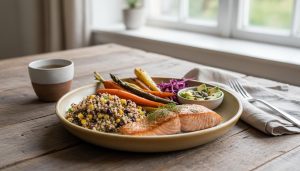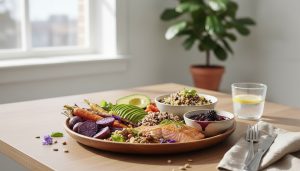
Last week, I was juggling soccer practices, work deadlines, and a surprise family dinner that left me running on empty. Mornings started with crashes from sugary cereals, and afternoons dragged with bloating after quick processed lunches. That’s when I leaned back into clean eating—focusing on whole, minimally processed foods like fresh veggies, lean proteins, and whole grains. It wasn’t about perfection; it was about steady energy that carried me through the day, clearer moods without the irritability spikes, and smoother digestion that made me feel light instead of weighed down.
Clean eating simply means prioritizing foods close to their natural state: think colorful produce, nuts, legumes, and herbs over packages loaded with additives. Studies often show these choices support balanced blood sugar and nutrient uptake, which can help with everything from focus to sleep. No strict rules here—just small shifts for real life. Ahead, I’ll share straightforward steps, from redefining what clean looks like to simple swaps and go-to meals that fit busy schedules like mine.
Redefining Clean Eating for Real-Life Schedules
Whole foods tend to help by providing steady energy through fiber and nutrients that release slowly into your bloodstream. This supports balanced blood sugar levels, often reducing those mid-afternoon slumps many of us feel after processed snacks. Better nutrient absorption from minimally processed options can also ease digestion, as your body handles natural fibers more efficiently.
What to try first? Start by scanning labels for items with fewer than five recognizable ingredients—skip anything with long chemical lists. Next, build half your plate with colorful veggies, like bell peppers or spinach, for a mix of vitamins without extra effort. Finally, prep a big batch of grains like quinoa or brown rice on Sundays; they reheat easily for lunches all week.
These steps kept me going during my hectic week. One evening, instead of grabbing chips, I sliced carrots with hummus—simple, satisfying crunch without the guilt. You’ll notice how these tweaks make meals feel nourishing rather than restrictive.
Stocking a Beginner-Friendly Clean Kitchen Pantry
Begin with basics: rolled oats, canned beans (no added salt), nuts like almonds, olive oil, spices such as cumin and garlic powder, frozen berries, and quinoa. Add fresh staples weekly: lemons, garlic, and greens. For proteins, choose eggs, plain Greek yogurt, and tofu.
Budget tips? Buy grains and nuts in bulk from warehouse stores, opt for frozen produce over fresh to cut waste, and check sales for seasonal picks. This setup cuts decision fatigue because everything mixes easily—no more staring at empty shelves wondering what’s for dinner.
Having these on hand often streamlines my mornings. I grab oats and top with yogurt for breakfast, ready in two minutes. For more ideas on how to stock your kitchen for clean eating, think versatile staples that handle multiple meals.
Effortless Daily Swaps to Cut Processed Foods
Swapping processed picks for whole foods can make a big difference without overhauling your routine. These changes often support hydration, fiber intake, and sustained energy by avoiding added sugars and refined carbs. Here’s a quick visual guide to get you started.
Simple Food Swaps for Everyday Wins
| Common Processed Pick | Clean Whole-Food Swap | Quick Benefit |
|---|---|---|
| Soda | Sparkling water with lemon | Hydrates without sugar crash |
| Potato chips | Apple slices with nut butter | Fiber-filled crunch sustains hunger |
| White bread sandwich | Whole-grain wrap with veggies | Steady energy from complex carbs |
| Sugary cereal | Overnight oats with fruit | Protein and fiber for fullness |
| Candy bar | Fresh berries or dates | Natural sweetness without spikes |
| Flavored yogurt | Plain Greek yogurt with nuts | Probiotics and protein boost |
| Instant noodles | Zucchini noodles with pesto | Light, veggie-based satisfaction |
| Fried chicken nuggets | Baked chicken strips with herbs | Lean protein minus excess oil |
Pick one row to try today, like ditching soda for fizzy water—my go-to during long afternoons. These swaps build momentum visually and tastily. Over time, they can help your body adjust to cleaner fuel sources more comfortably.
3-Go-To Meals That Build Clean Eating Momentum
Keep it under 15 minutes with these: First, overnight oats. Mix ½ cup oats, 1 cup almond milk, a tablespoon chia seeds, and sliced banana in a jar the night before. By morning, it’s creamy and ready—perfect for my rushed starts.
Second, quick veggie stir-fry. Sauté broccoli, carrots, and tofu in olive oil with garlic for 10 minutes; season with soy sauce. It pairs well with 14 seasonal fruits and veggies for clean eating like whatever’s fresh now.
Third, mason jar salad: Layer chickpeas, cucumber, tomatoes, and feta with olive oil dressing. Shake and eat—no wilted greens. My lunch routine? I prep three jars Sunday night for grab-and-go ease.
Bonus fourth: Green smoothie—spinach, frozen mango, protein powder, and water blended in 2 minutes. These meals focus on whole ingredients, often leaving you energized rather than sluggish. Rotate them to keep things fresh.
Layering Habits So Clean Eating Feels Natural
Start small: Week one, master one swap from the table. Week two, add a pantry staple meal. Track wins in a notes app—jot energy or mood after eating.
Safety note: If you manage conditions like diabetes or allergies, chat with your doctor before big shifts, as individual needs vary. These habits layer gently, building familiarity.
Experiment this week and note simple signals like afternoon energy or sleep quality. Small consistencies often lead to lasting ease with clean eating.
Navigating Setbacks Without Ditching the Plan
Slips happen, like ordering pizza on a tough night. Common with eating out? Choose grilled over fried and load up on veggies. Reset with your next meal—hydration and a green smoothie often bounce you back.
This approach builds resilience, as consistent whole foods support gut health signals over time. One off-day doesn’t erase progress; it’s about gentle returns.
FAQ
What’s the difference between clean eating and dieting?
Clean eating focuses on whole foods as a lifestyle, emphasizing nutrient-dense choices like veggies and grains for daily energy. Diets often restrict calories or food groups short-term, which can feel limiting. Clean eating tends to be sustainable, allowing flexibility while prioritizing minimally processed options.
How do I clean eat on a tight budget?
Stick to bulk buys like rice, beans, and frozen produce, which stretch far and keep costs low. Shop sales for 15 clean eating snacks that keep you satisfied, like nuts or popcorn. Meal prep in batches maximizes value without waste.
Can kids follow clean eating habits?
Yes, introduce gradually with familiar foods like fruit smoothies or homemade veggie muffins to make it fun. Kids may resist at first, so involve them in picking produce. It can help their energy and focus, but balance with their preferences to avoid pushback.
What if I slip up and eat junk?
No big deal—resume with your next choice, like a clean breakfast. Track how you feel afterward to reinforce positives. Occasional treats don’t derail; consistency with whole foods rebuilds momentum quickly.
How soon will I notice changes?
Many feel steadier energy within days from better blood sugar balance. Digestion or mood shifts often appear in a week or two, though it varies by person. Track your signals patiently for personalized insights.