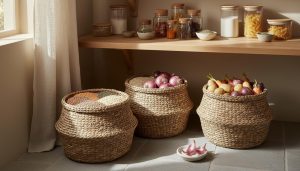
Last week, I was racing through a hectic day with back-to-back meetings and kids’ activities. In under 20 minutes, I whipped up a nourishing lentil stew using just pantry staples—no frantic grocery run required. It hit the spot with steady energy that lasted into the evening. Moments like that remind me why stocking the right items makes clean eating feel effortless.
Clean eating centers on whole, minimally processed foods that nourish your body without extra sugars, additives, or refined ingredients. These choices often support balanced energy, better digestion, and a calmer mood through steady nutrients. In this guide, I’ll share my top 12 pantry staples that simplify meals, save time, and fit busy lives.
We’ll start with a handy do/don’t table to spot smart swaps. Then, dive into category breakdowns with why each helps, what to try next, and quick personal tips. You’ll see real-life ways to mix them up. As you stock a few, track how your daily energy and meal satisfaction shift—small experiments like that reveal what works for you.
Do Stock These Staples (Skip the Processed Traps)
| Do Stock | Don’t Stock | Why It Helps | Versatile Use |
|---|---|---|---|
| Rolled oats | Sugary instant oatmeal packets | Provides soluble fiber for steady blood sugar and gut health | O/night oats, smoothies |
| Quinoa | White instant rice | Complete plant protein with magnesium for energy | Salads, bowls |
| Dry lentils | Canned soups with additives | Fiber and folate support digestion and fullness | Curries, soups |
| Canned low-sodium black beans | Refried beans in jars | Antioxidants and protein for muscle repair | Tacos, dips |
| Raw almonds | Candied or flavored nuts | Healthy fats and vitamin E for heart and skin | Snacks, toppings |
| Chia seeds | Processed pudding mixes | Omega-3s and fiber for hydration and satiety | Puddings, baked goods |
| Extra virgin olive oil | Refined vegetable oils | Anti-inflammatory polyphenols aid overall wellness | Dressings, sautéing |
| Apple cider vinegar | Bottled creamy dressings | May support digestion and blood sugar balance | Marinades, drinks |
| Canned no-sugar tomatoes | Jarred pasta sauces | Lycopene for antioxidant protection | Sauces, stews |
| Natural nut butter | Sugary/hydrogenated peanut butter | Sustained energy from fats and protein | Spreads, sauces |
| Canned wild salmon | Breaded fish fillets | Omega-3s for brain and heart health | Salads, patties |
| Turmeric powder | Pre-mixed seasoning packets | Curcumin may ease inflammation response | Golden milk, curries |
This table highlights easy swaps that keep your pantry working for you. Each “do” item brings real nutrition without hidden extras. Spotting these patterns makes shopping straightforward.
Now, let’s break down the categories. These groups build on the table, showing how staples team up for meals.
Whole Grains That Keep Energy Steady All Day
Why it helps: Whole grains like rolled oats and quinoa offer complex carbohydrates and B vitamins. They fuel your body gradually, supporting your circadian rhythm for fewer energy dips. This steady release often helps avoid the crashes from refined options.
What to try:
- Overnight oats: Mix rolled oats with chia seeds, almond milk, and fruit—ready by morning.
- Quinoa breakfast bowl: Cook quinoa with cinnamon and top with nuts for a protein-packed start.
- Brown rice stir-fry base: Pair with veggies and canned salmon for dinner.
Personal tip: I used to hit a mid-afternoon slump, but swapping in oats smoothed my day. Try tracking your energy after a grain-based lunch.
These grains shine in quick bowls. When planning weeknight dinners, whole grains form the base for meals like those in 10 Simple Clean Eating Meals for Weeknight Dinners.
Legumes for Plant-Based Fullness and Fuel
Why it helps: Legumes such as dry lentils and canned black beans pack fiber that slows digestion. This tends to stabilize blood sugar levels. Their plant protein also supports muscle recovery after daily activities.
What to try:
- Lentil soup: Simmer dry lentils with canned tomatoes and turmeric in 20 minutes.
- Black bean burgers: Mash beans, add oats, and pan-fry for a hearty patty.
- Chickpea salad: Rinse canned chickpeas, toss with olive oil and vinegar.
Real-life example: My family’s go-to is a quick chili with lentils and beans—everyone loves it, and it stretches for leftovers. Legumes keep you full longer, easing snack urges.
Build meals around them for satisfaction. They pair well with budget picks from 10 Budget-Friendly Clean Eating Grocery Essentials.
Nuts, Seeds, and Oils for Everyday Healthy Fats
Why it helps: Items like raw almonds, chia seeds, and extra virgin olive oil provide monounsaturated fats and omega-3s. These may help temper the body’s stress response and reduce inflammation over time. Vitamin E in nuts supports skin and heart wellness.
What to try:
- Almond trail mix: Combine raw almonds with seeds for on-the-go fuel.
- Chia pudding: Soak seeds in nut milk overnight, sweeten naturally.
- Olive oil drizzles: Finish veggies or grains with a splash for flavor.
Tip: Portion nuts into small bags—about a handful—to enjoy benefits without extra calories. I add chia to smoothies for that extra hydration boost on busy mornings.
These fats make meals satisfying. Rotate them to keep variety in your routine.
Quick Canned Staples That Save Dinner Time
Why it helps: Canned low-sodium black beans, no-sugar tomatoes, and wild salmon deliver convenient nutrients. They skip processing additives while offering protein, antioxidants, and omegas. This supports quick recovery and steady energy without prep hassle.
What to try:
- Salmon salad: Flake canned salmon over greens with olive oil dressing.
- Tomato bean stew: Combine tomatoes, beans, and lentils for warmth.
- Nut butter energy balls: Mix natural nut butter with oats and seeds—no bake needed.
Anecdote: After workouts, I make a 10-minute salmon bowl—protein hits just right. These staples turn “what’s for dinner?” into easy wins.
Keep a few cans rotated. They shine for spontaneous meals, even simple tips for clean eating while traveling.
Flavor Boosters to Make Clean Eating Delicious
Safety / when to be cautious: Always check labels for purity—no added sugars or salts. Watch portions on calorie-dense nuts and oils to fit your needs. If you have nut allergies, swap in seeds; consult a doctor for personalized advice.
Why it helps: Boosters like apple cider vinegar and turmeric enhance taste naturally. Better flavors encourage sticking with clean habits, which supports hydration and mood stability. Turmeric’s curcumin may ease inflammation responses gently.
What to try:
- ACV vinaigrette: Whisk vinegar with olive oil for salads.
- Turmeric latte: Warm nut milk with powder and a touch of pepper.
- Herb blends: Mix turmeric with staples for curries.
These turn basics into favorites. I sip ACV water before meals—it often aids my digestion. Experiment to find your go-tos.
Flavor keeps it sustainable. Track mood shifts as you incorporate them.
Frequently Asked Questions
What’s the difference between clean pantry staples and regular ones?
Clean staples emphasize minimal ingredients, often whole foods like plain oats or low-sodium beans. Regular versions might add sugars, preservatives, or refining—check labels for variation by brand. This focus helps prioritize nutrient density without extras.
How do I organize my pantry for these staples?
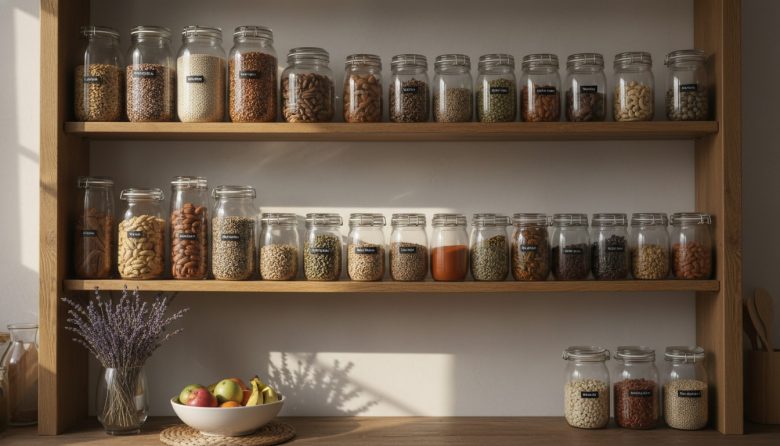
Use glass jars for dry goods like lentils and quinoa to keep them fresh. Store in a cool, dark spot and rotate stock—first in, first out. This setup makes grabbing items quick and reduces waste.
Can these staples help with meal prepping on a budget?
Yes, they often prove cheaper long-term through bulk buys and versatility. Prep batches like quinoa salads or lentil soups to save time and money. Track your grocery savings over a month to see the difference.
What if I have dietary restrictions or allergies?
Swap nuts for seeds or sunflowers; use quinoa over beans for lower fiber if needed. Tailor to your needs and consult a healthcare pro for specifics. Most staples offer flexible subs.
How quickly will I notice benefits from switching?
Effects may vary by person—often subtle shifts in energy or fullness appear in 1-2 weeks. Track simple signals like mood or sleep quality daily. Adjust based on what your body tells you.