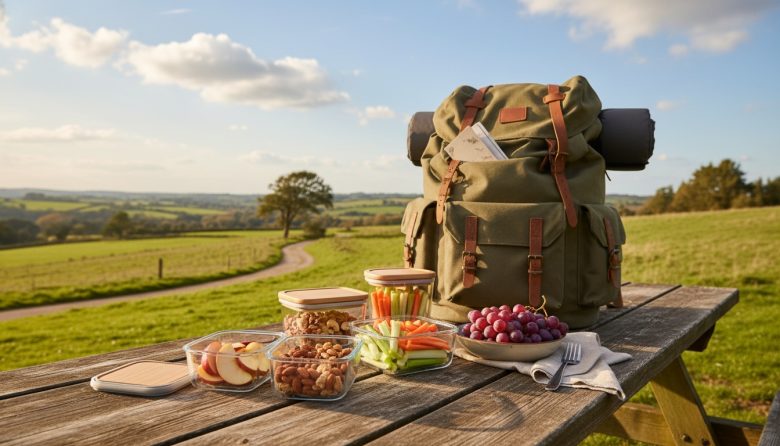
Picture this: you’re weaving through a crowded airport, kids tugging at your sleeve, and the only quick grab is a bag of chips or a chocolate bar from the newsstand. An hour into your flight, the crash hits—fatigue, irritability, and hanger that makes everything worse. For busy professionals and families, travel often means ditching healthy habits amid the chaos.
Clean eating keeps it simple: focus on whole foods like fresh fruits, nuts, veggies, and lean proteins with minimal processing or additives. This approach tends to stabilize blood sugar, supporting steady energy and better sleep patterns disrupted by jet lag or long drives. In this article, we’ll cover packing strategies, airport hacks, hotel setups, food swaps, road trip stops, dining tips, and hydration—plus encouragement to track how these tweaks affect your mood and stamina.
Pack Smart: Build a Travel Food Kit That Lasts
Why it helps
Pre-packing clean snacks prevents reliance on vending machines or overpriced grabs, which often spike blood sugar and lead to energy dips. Stable intake from fiber and protein-rich foods supports focus during delays or meetings. It also cuts impulse spending and keeps families content without meltdowns.
What to try
Start with portable staples that travel well. Aim for a mix of crunch, chew, and freshness to satisfy different cravings.
- Raw nuts or seeds (almonds, pumpkin seeds): Portion into small bags for 200-calorie servings; they offer healthy fats for satiety.
- Fresh fruit (apples, bananas, berries): Wash and pack in reusable containers; pair with nut butter packets for balance.
- Veggie sticks (carrots, celery, bell peppers): Pre-cut and store in damp paper towels inside zip bags to stay crisp up to 48 hours.
- Hard-boiled eggs or jerky (look for no-sugar-added): Boil a dozen at home; they provide protein without refrigeration for short trips.
- Homemade energy balls: Blend dates, oats, nuts—refrigerate overnight for grab-and-go power.
Pro tip for professionals: Prep the night before in 15 minutes. Track how this kit curbs mid-trip hunger over a week.
Airport and Station Navigation: Spot Clean Wins Amid Chaos
Why it helps
Airports buzz with temptations, but quick clean choices can curb hanger during layovers and maintain hydration alongside meals. Fiber and protein focus often prevents the post-security slump. This builds resilience for unpredictable schedules.
What to try
- Grab pre-made salads from spots like Pret A Manger or airport Sweetgreen: Opt for greens, grilled chicken, avocado—skip creamy dressings.
- Greek yogurt parfaits: Choose plain with fresh fruit toppings; add your own nuts for crunch.
- Sushi or wraps from healthy chains: Pick brown rice rolls with veggies and fish; avoid fried tempura.
- Smoothie stands: Request no added sugar, blend spinach, banana, protein powder.
For families, split larger salads into kid portions. Always check for family-friendly tweaks like milder flavors.
Safety / when to be cautious
Inspect grab-and-go items for expiration dates, especially dairy. If immune-compromised, stick to sealed packages.
Hotel Room Hacks: Turn Your Stay Into a Mini Kitchen
Why it helps
Hotel routines with controlled meals support circadian rhythm by aligning eating with local daylight. This can ease jet lag and promote better rest. Familiar foods reduce stress responses from unfamiliar settings.
What to try
- Overnight oats: Mix oats, milk (or plant-based), chia seeds, fruit in a jar; ready by morning—no cooking needed.
- Tuna or chickpea salad: Drain cans, mix with mustard, celery from a market run; use ice bucket for chill.
- Avocado toast: Mash ripe avocado on whole-grain crackers; top with tomato slices.
- Yogurt bowls: Layer with nuts, berries; microwave oats if available for warmth.
- Trail mix upgrades: When considering 15 Clean Eating Snacks That Keep You Satisfied, customize with dried fruit and seeds stocked from home.
Time-saver for pros: Shop at nearby grocery on arrival. Experiment with one new combo per trip and note sleep quality.
Travel Food Swaps for Clean Eating
| Common Travel Trap | Clean Swap | Why It Helps | Prep/Portability Tip |
|---|---|---|---|
| Vending machine chips | Apple slices + almond butter packet | Fiber and fats steady blood sugar, avoiding crashes | Pre-slice apple, seal with lemon juice to prevent browning |
| Gas station candy bar | Handful of mixed nuts and dark chocolate pieces | Protein curbs cravings; antioxidants support mood | Pre-portion in snack bags for exact servings |
| Airport pretzel | Fresh veggie sticks with hummus cup | Hydrating crunch fills without bloating | Buy single-serve hummus; pack veggies in cooler |
| Plane pastry | Hard-boiled egg + cherry tomatoes | Protein sustains through turbulence delays | Boil ahead; tomatoes stay fresh without fridge |
| Hotel continental donut | Greek yogurt + berries | Probiotics aid digestion amid travel | Scoop yogurt into travel mug if no bowls |
| Drive-thru fries | Baked kale chips + turkey slices | Lower sodium prevents puffiness | Dehydrate kale at home; roll turkey for fun |
This table highlights easy pivots for real scenarios. Use it as a quick reference to build confidence on the go.
Road Trip Refueling: Plan Stops for Wholesome Pit Stops
Why it helps
Strategic stops emphasize hydration and fiber, countering the urge for processed gas station fare. Regular refuels maintain alertness on long drives. This approach often improves family dynamics by avoiding low-blood-sugar squabbles.
What to try
- Cooler essentials: Load with cheese sticks, grapes, cucumber slices—easy access from passenger seat.
- Rest area markets: Seek local farm stands for corn on cob or peaches.
- Picnic upgrades: Pack wraps with turkey, greens, mustard; spread on hood if tables scarce.
- Hydration stations: Refill bottles with fruit slices at every fuel-up.
Map apps can flag grocery stops. Track driver fatigue levels to refine your route.
Dine Out Strategically: Menu Choices That Align with Clean Goals
Why it helps
Mindful ordering fosters sustainable habits without feeling deprived. Prioritizing protein and veggies balances occasional indulgences. It supports steady energy for post-dinner activities or early meetings.
What to try
- Base meals on protein + veg: Grilled fish, steamed broccoli—request olive oil dressing.
- Customize salads: Add eggs or beans; hold croutons or sugary vinaigrettes.
- Soup and sides: Broth-based veggie soup + side greens; split entrees for portions.
- Appetizer mains: Shrimp skewers or edamame as full plates.
- Family shares: Order platters of grilled meats, salads—let kids pick favorites.
Safety / when to be cautious
Watch portions to avoid overeating; share dishes. Inform servers of allergies clearly.
For kitchen inspiration at home before trips, explore How to Stock Your Kitchen for Clean Eating.
Stay Hydrated and Energized: Beyond Food Basics
Why it helps
Travel dehydrates via dry air and motion; water aids digestion and combats jet lag fatigue. Electrolytes maintain muscle function during activity. This foundation amplifies clean eating benefits for overall vitality.
What to try
- Infused water: Slice cucumber, lemon, mint into a large bottle—sip hourly.
- Electrolyte tweaks: Add pinch of sea salt, lime to water; or coconut water packs.
- Pre-flight boost: Herbal teas like ginger for nausea; chamomile for calm.
Pair with snacks for absorption. Log daily intake and note energy shifts.
Blender fans might enjoy How to Make Tasty Clean Eating Smoothies for travel prep inspiration.
These tips make clean eating flexible for real life. Start small—pick two strategies per trip—and track simple signals like hunger, mood, and sleep. Adjustments build lasting habits for smoother travels.
FAQ
What counts as ‘clean eating’ on a tight travel schedule?
Clean eating prioritizes whole, minimally processed foods like fruits, nuts, veggies, and quality proteins—even in small amounts. Perfection isn’t required; aim for 80% focus amid chaos, allowing flexibility for local specialties. This variation acknowledges real-life constraints while supporting steady energy.
Can I do clean eating affordably while traveling?
Absolutely—stick to basics like bananas, nuts, and yogurt, often cheaper than restaurant meals. Shop markets over convenience stores; pre-portion to avoid waste. Guardrail: Budget $5-10 daily per person by mixing packed and fresh buys.
What if my family won’t eat clean on vacation?
Lead by example with appealing swaps like fruit kebabs instead of cookies. Involve kids in packing choices for buy-in. Small wins, like one clean meal daily, gradually shift preferences without pressure.
How do I handle time zones and meal timing?
Anchor eating to light exposure—breakfast with sunrise, lighter dinners. Stay flexible; listen to true hunger over clocks. This respects circadian shifts, often easing adaptation.
Is it realistic for long-haul flights?
Yes, layer strategies: Pack kit, request special meals, hydrate aggressively. Post-flight, track energy recovery to tweak. It may not eliminate fatigue but tends to lessen it noticeably.